You Won’t Believe These Secret Food Spots in Canberra
Canberra isn’t just politics and Parliament—it’s a food lover’s hidden playground. I went looking for flavor beyond the guidebooks and found bustling laneway cafes, multicultural gems, and farm-to-table magic tucked away from the crowds. From Ethiopian spices to handmade dumplings and boutique wineries, the city’s food culture is bold, diverse, and quietly brilliant. This is real, unfiltered Canberra—one bite at a time.
The Myth of Canberra’s Food Scene (And Why It’s Wrong)
For years, Canberra has carried a reputation as a city of bureaucrats, roundabouts, and national monuments—more suited for policy debates than palate adventures. Many assume its culinary offerings are limited to government cafeteria fare or chain restaurants serving predictable meals. But this perception couldn’t be further from the truth. Beneath the surface of its calm, planned streets lies a vibrant and evolving food culture shaped by waves of migration, a deep respect for seasonal ingredients, and a growing community of passionate chefs and artisans.
The reality is that Canberra has quietly built a food identity that rivals Australia’s more celebrated cities. With over 60% of its residents born overseas, the capital is one of the most culturally diverse cities in the country. This diversity isn’t just demographic—it’s on the plate. Families from Nepal, Vietnam, Ethiopia, Lebanon, and beyond have brought their recipes, techniques, and traditions, planting roots in local neighborhoods and enriching the city’s culinary landscape. These aren’t novelty eateries catering to tourists; they are family-run kitchens serving food that tastes like home.
What’s more, Canberra’s food evolution is being driven by local pride. Residents no longer see themselves as temporary public servants passing through. They are putting down roots, opening small businesses, and investing in sustainable practices. Farmers, bakers, cheesemakers, and coffee roasters are gaining recognition not just in the region but nationally. The shift is subtle but powerful—a city once seen as quiet and reserved is now speaking confidently through its cuisine, one handmade dumpling, slow-fermented loaf, and spiced stew at a time.
Hidden in Plain Sight: Canberra’s Secret Food Neighborhoods
If you want to taste the real Canberra, you have to step away from the polished plazas of Civic and explore its quieter, more textured corners. Manuka, Braddon, and Tuggeranong may not appear on every tourist map, but they are where the city’s food soul lives. These neighborhoods offer a mix of authenticity, creativity, and community that feels refreshingly unpolished—no Instagram staging, no inflated prices, just good food made with care.
Manuka, with its leafy streets and art deco charm, comes alive on Sundays at the local farmers market. But beyond the market stalls, the suburb hides a concentration of exceptional ethnic eateries. Tucked into unassuming shopfronts are restaurants serving some of the best Ethiopian injera in the country, where spongy sourdough-like bread cradles richly spiced lentils and slow-cooked meats. Nearby, Lebanese bakeries offer warm manakish straight from the oven, topped with za’atar and olive oil. These spots are frequented by locals who come weekly, not because they’re trendy, but because the food is consistently excellent.
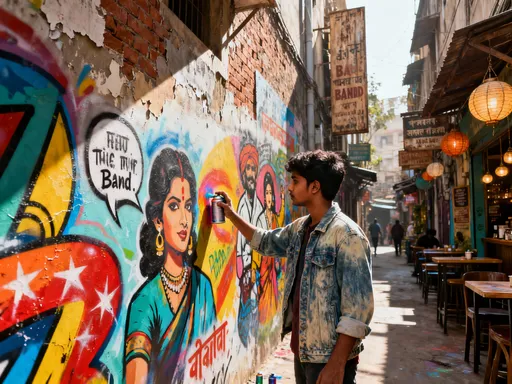
Braddon, once an industrial zone, has transformed into a hub of creative energy. Its laneways, lined with repurposed warehouses, now house microbreweries, fusion restaurants, and intimate wine bars. Here, you’ll find chefs blending Japanese techniques with Australian ingredients, or pairing house-made charcuterie with locally brewed sour ales. The vibe is relaxed—think exposed brick, communal tables, and bartenders who remember your name. Unlike the crowded laneways of Melbourne or Sydney, Braddon retains a sense of intimacy, where discovery feels personal rather than performative.
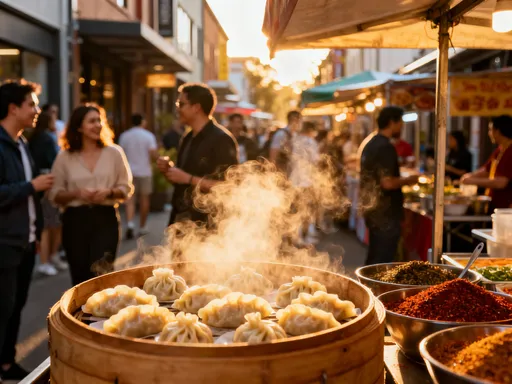
Tuggeranong, often overlooked due to its distance from the city center, is another quiet gem. Its multicultural makeup is reflected in its food—Sri Lankan curries simmering in family-run cafes, Filipino bakeries offering ensaymada and pan de sal, and authentic Chinese noodle houses where dumplings are folded by hand every morning. These places aren’t trying to impress; they’re feeding their communities. For the curious traveler, visiting these neighborhoods isn’t just about eating—it’s about understanding how food binds people together across cultures and generations.
The Farmers’ Market Effect: Fresh, Seasonal, and Hyper-Local
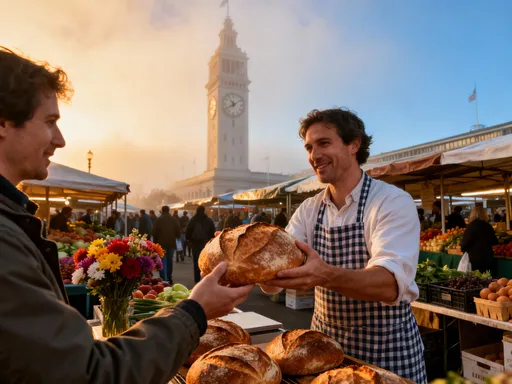
One of the most transformative forces in Canberra’s food scene is the rise of the farmers’ market movement. The Capital Region Farmers Market, held every Saturday in Exhibition Park, is more than a shopping destination—it’s a weekly celebration of regional agriculture and community connection. Here, visitors don’t just buy produce; they meet the people who grow it, hear their stories, and taste the difference that care and seasonality make.
The market showcases the richness of the surrounding region—the Yarra Valley to the south, the Southern Tablelands to the east—where small-scale producers cultivate everything from heirloom tomatoes and organic greens to free-range eggs and artisanal honey. These aren’t mass-produced goods shipped from distant farms; they are harvested at peak ripeness and brought to market within hours. The result is produce that tastes as it should: vibrant, flavorful, and full of life.
What makes this movement even more impactful is how deeply it’s integrated into the city’s restaurants. Establishments like Italian & Sons and Monster Kitchen & Bar have built their reputations on hyper-local sourcing. At Italian & Sons, a dish of wood-fired octopus might feature seafood caught in Jervis Bay and served with herbs grown in a nearby kitchen garden. Monster Kitchen, located on the shores of Lake Burley Griffin, crafts tasting menus that change weekly based on what’s available from regional suppliers. This farm-to-table philosophy isn’t a marketing gimmick—it’s a commitment to quality, sustainability, and seasonality.
For visitors, the farmers’ market offers a perfect starting point. Arrive early to beat the crowds and bring a reusable bag. Talk to the growers—many are happy to share cooking tips or recommend pairings. Try a warm goat cheese tart from a local cheesemaker, or sample cold-pressed apple juice from a family-run orchard. And don’t leave without a jar of native bush honey or a bunch of seasonal flowers—small tokens that carry the spirit of the region home with you.
Global Flavors, One City: Canberra’s Multicultural Eats
Canberra’s food diversity is not a recent trend—it’s the result of decades of migration and community building. Unlike larger cities where ethnic cuisines can become diluted or commercialized for mass appeal, Canberra’s multicultural offerings remain deeply authentic. This is food made by people who cook not for profit, but to preserve tradition and share their heritage.
In Belconnen, a bustling suburb in the city’s northwest, Nepalese restaurants serve steaming plates of momos—hand-folded dumplings filled with spiced lamb or vegetables, served with tangy tomato and coriander chutney. These are not fusion creations designed for Western palates; they are the same dishes enjoyed in Kathmandu homes. Families gather here on weekends, speaking Nepali, sharing stories, and savoring flavors that transport them across continents.
Meanwhile, in Fyshwick, an industrial area better known for its car dealerships and wholesale markets, a quiet revolution is happening in the food court. Vietnamese pho stalls simmer rich beef broth for 12 hours, producing bowls of soup so aromatic they draw customers from across the city. The broth, clear and fragrant with star anise and cinnamon, is paired with silky rice noodles and fresh herbs. It’s comfort food at its finest—simple, nourishing, and deeply satisfying.
African influence is also growing, particularly in coffee culture. Eritrean and Ethiopian roasters are introducing Canberra to traditional coffee ceremonies—elaborate rituals where beans are roasted fresh, ground by hand, and brewed in a jebena, a clay pot. The experience is as much about connection as it is about caffeine. Similarly, Middle Eastern street food has found a natural home in the city, with food trucks serving falafel, shawarma, and freshly baked pita bread at lunchtime markets. These aren’t imported trends; they are lived traditions, passed down and preserved with pride.
Behind the Scenes: Meeting the Makers
To truly understand Canberra’s food culture, you have to go beyond the plate and meet the people behind it. In Ainslie, a quiet residential suburb, a small sourdough bakery operates out of a converted garage. Every morning before dawn, a local artisan lights a wood-fired oven, preparing to bake loaves using organic flour, natural leaven, and water from a nearby spring. The process takes 24 hours—from mixing to fermentation to baking—and each loaf bears the mark of time, patience, and craftsmanship.
This kind of dedication is not rare in Canberra. Across the region, small-batch producers are redefining what it means to make food with intention. Cider makers in the Tidbinbilla Valley press apples from heritage trees, fermenting them slowly to create complex, dry ciders with a sense of place. Artisan cheesemakers use milk from grass-fed goats and cows, crafting wheels that reflect the terroir of the Southern Tablelands. Even urban beekeepers in inner suburbs are harvesting honey from rooftop hives, offering a taste of the city’s green spaces.
What unites these makers is a commitment to sustainability and community. Many operate on a direct-to-consumer model, selling at markets or through subscription boxes. Others host workshops—sourdough baking classes, cheese pairing evenings, or wine blending sessions—inviting the public into their world. These experiences are not just educational; they foster connection. When you learn to shape a loaf of bread or blend your own bottle of wine, you’re not just acquiring a skill—you’re becoming part of a story.
Dining with a View: Where Food Meets Landscape
In Canberra, the setting often enhances the meal. The city was designed with nature in mind, and many of its best restaurants take full advantage of the surrounding landscapes. Boat House on the Lake, one of Canberra’s most iconic dining spots, offers panoramic views of Lake Burley Griffin. At sunset, the water glows gold, and diners sip sparkling wine while sampling dishes like grilled kingfish with finger lime and native herbs. The experience is elegant but never pretentious—perfect for a special occasion or a quiet celebration.
Arc Wine Bar, perched on a hill in the Kingston Foreshore, provides sweeping views of the city skyline. Its outdoor terrace is ideal for summer evenings, where guests enjoy small plates of cured meats, seasonal vegetables, and biodynamic wines. The menu changes frequently, reflecting what’s fresh and available. The atmosphere is relaxed yet refined—couples chat over shared platters, while friends toast with glasses of crisp vermouth.
Seasonal events also transform the city into an open-air dining destination. During Floriade, the annual spring festival in Commonwealth Park, food stalls line the tulip-filled lawns, offering everything from gourmet crepes to Korean street food. Families spread picnic blankets, children chase bubbles, and the air is filled with the scent of roasting chestnuts and spiced chai. It’s a joyful reminder that food is not just sustenance—it’s celebration, connection, and beauty.
For those who love to move while they eat, cycling the lake path offers access to hidden cafes and kiosks. Stop at Jetty Cantina for a seafood basket, or pick up a coffee and pastry at Lake 1664, a floating bar and eatery. The combination of fresh air, natural beauty, and good food creates a uniquely Canberra experience—one that nourishes both body and spirit.
How to Eat Like a Local: Practical Tips for Food-Focused Travelers
Visiting Canberra with a focus on food doesn’t require a luxury budget or a packed itinerary. The city rewards slow, intentional exploration. Time your trip around key events like the Enlighten Festival in autumn, when restaurants offer special menus and laneways are lit with projections, or Taste of Canberra, a week-long celebration of local chefs and producers. The Fyshwick Fresh Food Market is another must-visit, open early Saturday mornings with an array of international foods, fresh produce, and hot coffee.
Getting around is easy. The light rail connects Civic to Braddon, making it simple to hop between neighborhoods without a car. For a more immersive experience, rent a bike and follow the lake circuit, stopping at waterside cafes along the way. Public transport is reliable, and parking in most food neighborhoods is convenient and free on weekends.
For budget-friendly options, seek out hidden bakeries like Pialligo Estate’s onsite bakery, where sourdough loaves and pastries are sold at modest prices. Food trucks at NewActon or the Kingston Foreshore offer generous portions at lunchtime rates. Many high-end restaurants also feature affordable lunch specials—three courses for under $50—making fine dining accessible.
The key to eating like a local is curiosity and respect. Ask questions at the market. Try something unfamiliar. Smile, say thank you, and take your time. Canberra’s food culture isn’t loud or flashy. It’s built on quiet pride, deep roots, and a love for what grows, ferments, and simmers with care.
Canberra’s food scene doesn’t shout—but it speaks volumes to those who listen with their taste buds. It’s not about trends; it’s about roots, resilience, and quiet innovation. By stepping off the expected path, travelers don’t just eat well—they connect with the soul of the city. This is more than a meal. It’s a revelation.