Where Festival Magic Meets Street Markets in Sarajevo
Sarajevo doesn’t just celebrate culture—it wears it proudly on its streets, in its shops, and through the rhythm of seasonal festivals. I was blown away by how shopping here goes beyond souvenirs; it’s part of a living tradition. From handwoven textiles to spice-filled bazaars during the Film Festival buzz, every purchase tells a story. If you think shopping is just transactional, wait till you experience Sarajevo’s festival-driven markets—it’s authentic, vibrant, and deeply personal.
The Pulse of Sarajevo: Where Culture Shops Back
Sarajevo’s market culture is not simply about commerce—it’s a reflection of resilience, identity, and continuity. Nestled between the Miljacka River and the surrounding Dinaric Alps, the city has long served as a crossroads of empires, religions, and traditions. This layered history—Ottoman, Austro-Hungarian, Yugoslav—lives on not only in architecture but in the daily rituals of buying and selling. The markets are where history breathes, where elders haggle over saffron and children taste their first somun, still warm from the oven. These are spaces of connection, where a simple exchange of goods becomes an affirmation of community.
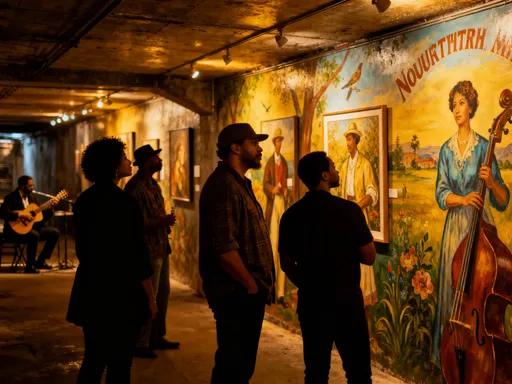
What sets Sarajevo apart is how its public spaces transform during festivals into stages for cultural expression. Streets once used for pedestrian traffic become open-air galleries, performance zones, and pop-up marketplaces. During events like the Sarajevo Winter Festival or Baščaršija Nights, the city’s commercial arteries pulse with energy, drawing locals and visitors alike into a shared rhythm. Vendors don’t just sell; they perform, explain, and invite. A scarf isn’t merely draped over a stall—it’s presented with a story about the woman who dyed it using onion skins and walnut husks in a village near Konjic.
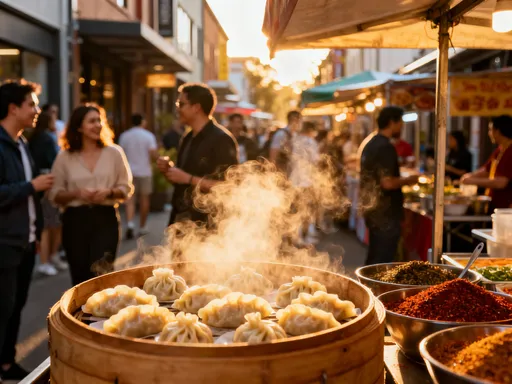
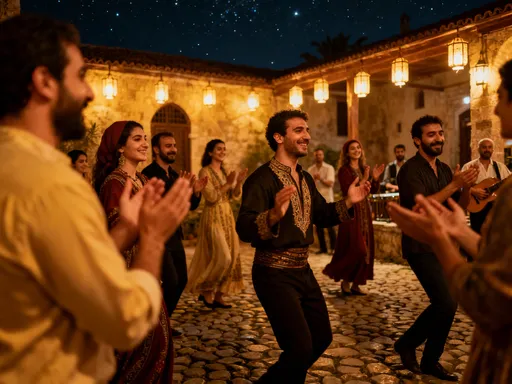
Local commerce thrives here because it’s rooted in experience. Unlike sterile shopping malls or digital storefronts, Sarajevo’s markets engage all the senses. The clink of copper mugs, the aroma of roasted coffee beans, the hum of conversation in Bosnian, Turkish, and English—these are the textures of authentic interaction. The city’s festivals amplify this atmosphere, turning shopping into a participatory act. When music spills from courtyards and lanterns sway above cobbled lanes, even the most practical errand feels ceremonial. In this way, Sarajevo redefines retail: it’s not about acquisition, but about belonging.
Baščaršija: More Than a Marketplace—A Cultural Stage
At the heart of Sarajevo’s shopping soul lies Baščaršija, the historic Ottoman-era bazaar that has served as the city’s commercial and social nucleus for over five centuries. Laid out in the 15th century under Isa-Beg Ishaković, the founder of modern Sarajevo, Baščaršija remains remarkably intact, with its narrow alleys, vaulted shopfronts, and central Sebilj fountain still drawing crowds every day. But during festivals, this ancient quarter transcends its role as a marketplace and becomes a living museum, a theater, a celebration of craft and continuity.
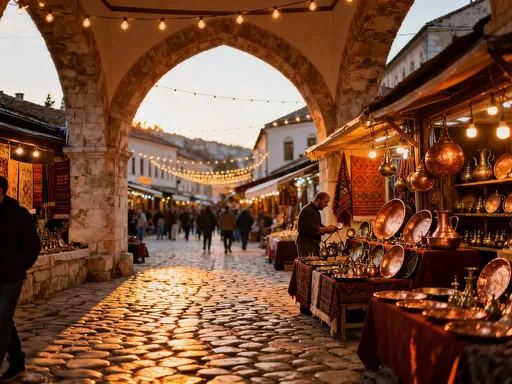
Walking through Baščaršija during the Sarajevo Film Festival, one is struck by the fusion of old and new. The scent of grilled ćevapi mingles with the buzz of international journalists and film crews. Artisan stalls that usually sell silver filigree or hand-knotted kilims now display limited-edition movie posters printed on handmade paper, or leather journals embossed with cinematic motifs. The copper workshops, where artisans still hammer out coffee sets using centuries-old techniques, see a surge in visitors eager for meaningful gifts. Sunlight glints off polished trays and engraved boxes, each piece shaped by hands that have inherited their skills from generations past.
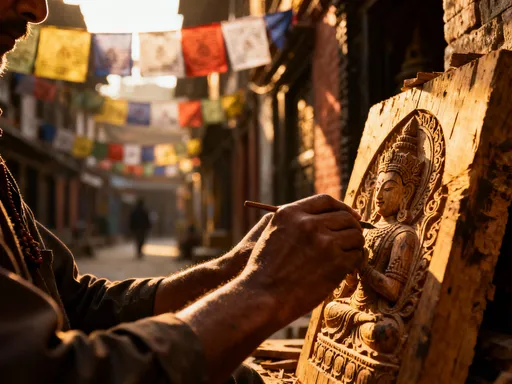
What makes Baščaršija extraordinary is the persistence of traditional crafts. In an age of mass production, these workshops remain stubbornly analog. A filigree artist might spend three days twisting fine silver threads into a floral brooch, while a carpet weaver in a side alley knots wool by hand, following patterns passed down from her grandmother. During Baščaršija Nights—an annual summer festival celebrating music, food, and heritage—many of these artisans open their doors for live demonstrations. Visitors can watch a coppersmith shape a džezva (coffee pot) with a mallet, then purchase it still warm from the forge. These are not tourist performances; they are genuine glimpses into a way of life that refuses to vanish.
Shopping with the Seasons: How Festivals Shape What’s for Sale
Sarajevo’s retail landscape shifts dramatically with the calendar. Each major festival brings a unique rhythm to the markets, altering not only the atmosphere but the very goods on display. The Sarajevo Film Festival, one of the most prestigious cultural events in Southeast Europe, turns Baščaršija into a hub of creative commerce. Designers from across the Balkans set up temporary boutiques, selling festival-themed apparel, artisanal jewelry inspired by cinematic icons, and hand-bound notebooks printed with quotes from Balkan filmmakers. Limited-run items, such as silk scarves featuring stills from classic Yugoslav films, become sought-after collectibles.
During Baščaršija Nights, a ten-day summer celebration of traditional music, dance, and cuisine, the market transforms into a folkloric bazaar. Stalls overflow with embroidered blouses, woolen vests, and hand-painted wooden spoons. Artisans from rural regions bring their regional specialties—black silk from Foča, red clay pottery from Tuzla, lace from Mostar—offering city dwellers and tourists alike a chance to own a piece of Bosnia’s diverse cultural tapestry. These seasonal offerings are not mere souvenirs; they represent a revival of rural craftsmanship and a bridge between urban and village life.
The International Folk Festival, held every two years, further amplifies this dynamic. As performers from across Europe and the Balkans take the stage, the surrounding markets become international marketplaces. Visitors might find Macedonian wool hats, Serbian tamburica instruments, or Croatian lace alongside Bosnian staples. Yet even in this global context, local identity remains central. Vendors emphasize authenticity, often displaying certificates of origin or family histories alongside their goods. This seasonal ebb and flow ensures that shopping in Sarajevo is never static—it’s a living, breathing reflection of the city’s cultural calendar.
From Stall to Story: The Artisans Keeping Tradition Alive
Behind every handcrafted item in Sarajevo is a person whose life is woven into the city’s cultural fabric. Take Emir Hadžimuhamedović, a third-generation coppersmith whose family workshop has operated in Baščaršija since 1892. Every morning, he arrives before dawn, heating metal over a charcoal forge, shaping džezvas and trays with tools that have changed little in a century. During the Sarajevo Winter Festival, his stall becomes a destination. Tourists don’t just buy—they linger, asking about the process, the symbolism, the meaning behind the intricate engravings of jasmine and pomegranate that adorn his pieces.
Then there’s Amela Džeko, a calligrapher who specializes in Ottoman-style Arabic script. Her stall, tucked into a quiet corner of the bazaar, glows with illuminated verses from Rumi and local poets. During Baščaršija Nights, she offers live demonstrations, her reed pen gliding across handmade paper as crowds gather in silence. Visitors can commission personalized pieces—names written in flowing script, blessings for the home, or wedding inscriptions. Her work, once considered a niche art, has found renewed relevance among younger Bosnians reclaiming their heritage.
These artisans are not relics of the past; they are active participants in Sarajevo’s cultural revival. Many have adapted to modern demand without compromising tradition. Some sell online, but they emphasize in-person interaction during festivals, when storytelling becomes part of the value. A ceramicist from Zenica might explain how her glazes use natural minerals from the Drina River, or a woodcarver from Mrkonjić Grad might describe the symbolism of the peacock motif in Bosnian folklore. By purchasing directly from these makers, travelers support sustainable livelihoods and help preserve endangered crafts. In a world of fast fashion and disposable goods, Sarajevo’s artisans offer something rare: objects with soul.
Festival Markets vs. Everyday Bazaars: Knowing When to Go
While Baščaršija is always worth a visit, the timing of your trip can dramatically shape your experience. Shopping during a major festival offers energy, exclusivity, and cultural immersion. The streets are alive with music, food stalls overflow with seasonal specialties, and artisans unveil limited-edition pieces available nowhere else. If your goal is to witness Sarajevo at its most vibrant—to feel the pulse of celebration and take home something truly unique—then aligning your visit with an event like the Film Festival or Baščaršija Nights is ideal.
That said, festival season brings larger crowds and higher demand. Popular stalls may have lines, and bargaining, while still possible, can feel rushed. Prices for certain items may reflect the premium of exclusivity, though they rarely become inflated in the exploitative way seen in some tourist destinations. The atmosphere is festive, but not always conducive to slow, contemplative shopping. For travelers who prefer a more intimate experience, visiting Baščaršija in the off-season—late autumn or early spring—offers quieter streets, more time for conversation with vendors, and the chance to observe daily market life without the festival spectacle.
Another consideration is access. During festivals, certain streets are closed to traffic, creating pedestrian-only zones that enhance safety and ambiance. However, this can make navigation more complex for first-time visitors. In contrast, the everyday bazaar operates on a predictable rhythm: shopkeepers open around 8 a.m., take a long midday break, and reopen in the late afternoon. This schedule allows for a more relaxed pace, ideal for those who want to explore at leisure, sip coffee in a courtyard, and return to a favorite stall later in the day. Whether you seek excitement or serenity, Sarajevo’s markets accommodate both—depending on when you go.
Beyond Souvenirs: What to Buy—and Why It Matters
Shopping in Sarajevo offers more than mementos—it presents an opportunity to support local livelihoods and carry home objects with meaning. The most authentic purchases are those rooted in tradition and made by hand. A hand-dyed silk scarf from a Baščaršija artisan, using natural pigments and centuries-old techniques, is not just a fashion item; it’s a wearable piece of cultural heritage. Similarly, a copper coffee set, hammered and engraved by a local coppersmith, connects you to a ritual—Bosnian coffee preparation—that is central to daily life and hospitality.
Locally pressed rakija, distilled in small batches from plums, pears, or quince, is another meaningful choice. More than just a spirit, rakija is a symbol of welcome, often offered to guests as a gesture of friendship. When purchased directly from a producer at a festival market, it comes with a story—perhaps of a family orchard in the hills, or a recipe passed down through generations. Even seemingly simple items like hand-carved wooden spoons or woolen socks carry cultural weight, reflecting the resourcefulness and craftsmanship of rural communities.
Equally important is knowing what to avoid. Tourist traps do exist, particularly near major landmarks, where imported trinkets from Asia are sold as “local” crafts. These mass-produced items—plastic replicas of Ottoman lamps, machine-embroidered scarves, or generic metal souvenirs—undermine the work of genuine artisans and contribute to cultural dilution. To shop ethically, look for signs of authenticity: handmade imperfections, natural materials, and vendors who can speak knowledgeably about their craft. When in doubt, ask. Most artisans are proud to explain their process and delighted when travelers show genuine interest.
How to Shop Like a Local: Tips for a Meaningful Experience
To truly connect with Sarajevo’s market culture, a few simple practices can make all the difference. Begin by learning a few basic phrases in Bosnian. A simple “Dobar dan” (Good day) or “Koliko košta?” (How much does it cost?) goes a long way in building rapport. Vendors appreciate the effort, and it often leads to warmer interactions, better prices, and unexpected invitations—perhaps to taste homemade ajvar or see a hidden workshop behind the stall.
Carry small bills. While credit cards are accepted in some shops, most market vendors operate on cash. Having 5, 10, and 20 KM notes (Bosnian convertible marks) ensures smooth transactions and shows respect for local customs. Avoid pulling out large bills unless necessary, as this can cause delays and discomfort. Bargaining is common but should be done with courtesy. Start by asking the price, then offer slightly less—never insultingly low. A smile, a joke, and a willingness to walk away (if needed) are all part of the dance.
Visit in the late afternoon. Many stalls open early but come alive after 4 p.m., when artisans return from lunch and the golden light bathes the bazaar. This is also when festival events often begin—music performances, food tastings, craft demonstrations—allowing you to combine shopping with cultural immersion. Don’t rush. Sit at a café, order a Bosnian coffee, and observe. Let the rhythm of the place guide you. When you do make a purchase, take a moment to learn the maker’s name, the origin of the item, or its traditional use. These details transform a simple transaction into a lasting memory.
Conclusion
Shopping in Sarajevo isn’t just about what you take home—it’s about what stays with you. When festival lights glow over ancient cobbled streets and music spills from every corner, commerce becomes celebration. By choosing to engage mindfully, travelers don’t just observe culture—they become part of it. In a world of generic malls and online carts, Sarajevo reminds us that the best things are bought with meaning, not just money. Each handcrafted scarf, each hammered copper cup, each bottle of rakija tells a story of resilience, identity, and human connection. To shop here is to participate in a tradition that values presence over profit, craft over convenience, and relationship over transaction. And in that exchange, something profound is gained—not just by the visitor, but by the city itself.