Why Ghent’s Hidden Natural Escapes Are a Self-Drive Dream
You know that feeling when you’re stuck in the city, craving fresh air and wide-open spaces? Ghent is not just canals and medieval towers—it’s also a gateway to breathtaking natural areas you can explore at your own pace. Driving yourself unlocks secret woodlands, peaceful river trails, and serene wetlands most tourists miss. I hit the road with no plan and discovered a quieter, greener side of Belgium. Let me show you why going off the beaten path by car makes all the difference.
The Allure of Self-Driving Around Ghent
There is a unique sense of freedom that comes with starting your morning in a historic Flemish city and ending it beneath the canopy of an untouched forest—all without relying on train timetables or bus routes. Renting a car in Ghent offers travelers an unmatched level of flexibility, especially when seeking out the region’s lesser-known natural treasures. While public transportation efficiently connects major cities and towns, it rarely reaches the quiet wetlands, hidden footpaths, or riverside clearings that define Belgium’s ecological richness. For those eager to experience more than postcard views, self-driving becomes not just convenient but essential.
Car rentals in Ghent are widely available through reputable international and local agencies located at the train station and nearby industrial zones. Rates remain competitive, particularly for compact, fuel-efficient models ideal for navigating narrow rural roads. Many include GPS navigation and roadside assistance, easing concerns for first-time drivers in Belgium. With clear signage in Dutch and French, well-maintained highways, and a reliable network of secondary roads, driving here feels intuitive even for visitors unfamiliar with European traffic patterns. Speed limits are strictly enforced, and roundabouts are common but orderly, contributing to a safe and stress-free driving experience.
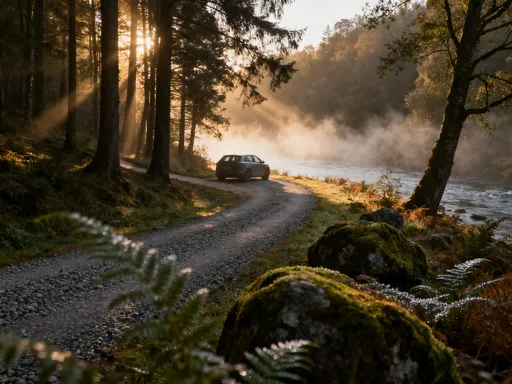
One of the greatest advantages of having your own vehicle is the ability to adapt to changing conditions and moods. Imagine deciding on a whim to stop at a sunlit meadow after morning fog lifts, or adjusting your route to catch the golden hour over a river valley. These spontaneous moments are nearly impossible when bound by public transit schedules. Early risers can reach remote trails before crowds arrive, birdwatchers can position themselves at dawn, and families can plan picnics at their own pace. The car becomes more than transportation—it transforms into a mobile base for exploration, comfort, and discovery.
Equally important is the availability of parking. In most natural areas surrounding Ghent, designated lots are clearly marked, often free of charge or requiring only a small fee. Local municipalities prioritize accessibility while preserving the environment, ensuring that visitors can park responsibly without damaging green spaces. Signage indicating trailheads, rest areas, and ecological zones helps drivers make informed choices. This balance between access and conservation reflects Belgium’s broader commitment to sustainable tourism, making self-drive travel not only practical but also aligned with responsible outdoor ethics.
Bijloke Nature Path: Where City Meets Wild
Just minutes from Ghent’s bustling city center lies a green ribbon winding along the Lys River—the Bijloke Nature Path. This scenic trail offers one of the most seamless transitions from urban life to natural immersion in all of Flanders. Easily accessible by car, the path begins near the former Bijloke Abbey grounds and follows the river’s edge through floodplain forests, open meadows, and reed-lined banks. It requires no special gear or long drives, yet delivers a profound sense of escape. For travelers seeking nature without distance, this corridor is a revelation.
The landscape here changes subtly with the seasons, offering new experiences throughout the year. In spring, wild garlic carpets the forest floor with fragrance, and blossoming willows dip into the water’s edge. Summer brings dense foliage, buzzing insects, and the flash of kingfishers darting between branches. Autumn paints the trees in warm hues, while winter reveals skeletal silhouettes and quiet stillness. Each visit feels distinct, inviting repeat trips to witness the cycle of renewal. Birdwatchers regularly spot grey herons, great egrets, and even the occasional kingfisher wading patiently in shallow waters at dawn.
What makes the Bijloke Path exceptional is its dual role as both a recreational space and an ecological buffer. The area functions as a natural floodplain, helping manage water levels during heavy rains—a critical feature in a country where water management is both science and tradition. At the same time, it serves as a refuge for urban dwellers needing respite. Cyclists, joggers, and walkers share the paved and gravel paths respectfully, moving at their own pace. Dogs are welcome on leashes, and benches are thoughtfully placed for rest and reflection. Interpretive signs explain the local flora and fauna, enriching the experience without overwhelming it.
Driving to the trailhead takes less than ten minutes from Ghent’s historic core, with several small parking areas available near the entrance. Because the path is so close to the city, it avoids the isolation that sometimes deters solo travelers or families with young children. Yet despite its proximity, the sounds of traffic fade quickly once you step onto the trail. The rustle of leaves, the lap of water, and distant bird calls create a soothing soundtrack. This blend of accessibility and tranquility makes the Bijloke Nature Path a perfect introduction to Ghent’s green side—ideal for a morning walk before museum visits or a peaceful end to a busy day of sightseeing.
Drongen Abbey and the Leie River Loop
A short fifteen-minute drive east of Ghent leads to Drongen, a quiet district anchored by the historic Drongen Abbey. Once a functioning monastery, the complex now houses cultural institutions, but its surrounding grounds have been preserved as protected green space. What many visitors don’t realize is that this site serves as a gateway to one of Flanders’ most scenic riverside walks—the Leie River Loop. With your car, you can arrive early, park conveniently, and set off on a trail that combines heritage, history, and natural beauty in equal measure.
The walking route follows the slow-moving Leie River, where willow trees arch over the water and dragonflies hover above lily pads. The path is well-maintained, mostly flat, and suitable for all ages and fitness levels. Along the way, you’ll pass remnants of old water mills, wooden footbridges, and stretches of untouched riparian forest. Canoe and kayak rentals are available seasonally at designated points, allowing adventurous travelers to explore the river from the water. Paddling downstream offers a uniquely peaceful perspective, with birds taking flight just meters away and the current guiding you gently forward.
Driving to Drongen is straightforward: take the N43 road east from Ghent and follow signs for Drongen Abbey. A dedicated parking lot is located just behind the main building, clearly marked and spacious enough to accommodate visitors even on weekends. From there, the trailhead is clearly indicated with maps and directional signs. Because this area is less frequented by international tourists, it retains a local, authentic atmosphere. You’re more likely to encounter Belgian families on weekend outings or elderly couples walking their dogs than crowds of camera-toting visitors.
The true charm of the Leie River Loop lies in its rhythm—a slow, unhurried pace that encourages mindfulness. Benches are placed at scenic overlooks, and small clearings invite picnics beneath the trees. In late afternoon, sunlight filters through the canopy in golden shafts, illuminating moss-covered roots and still pools. This is not a place for rushing, but for lingering. For travelers using Ghent as a base, a midday escape to Drongen offers a perfect balance: close enough to return for dinner in the city, yet remote enough to feel like a true getaway. It’s a reminder that nature and history need not be far-flung to be meaningful.
The Hidden Wetlands of Blaarmeersen
South of Ghent, tucked between residential neighborhoods and industrial zones, lies an ecological success story: Blaarmeersen. Once a site for sand and gravel extraction, this area has been transformed into a thriving wetland reserve teeming with life. Today, it stands as a model of urban rewilding—a place where nature reclaims space not in spite of human activity, but alongside it. Reaching Blaarmeersen by car takes about ten minutes from the city center, making it one of the most accessible yet underrated natural escapes in the region.
The reserve spans over 200 hectares and includes lakes, marshes, grasslands, and wooded zones. Its diversity supports an impressive array of species, including more than 150 types of birds, numerous amphibians, and rare dragonfly species. Kingfishers, reed warblers, and marsh harriers are regularly spotted, especially during migration seasons. Wooden observation decks and elevated walkways allow visitors to explore without disturbing sensitive habitats. These structures are thoughtfully designed—low-impact, durable, and unobtrusive—so that the focus remains on the environment itself.
Driving to Blaarmeersen is simple, with multiple access points along the R4 ring road. The main entrance on Blaarmeersenlaan has a large, free parking area and a small information kiosk with trail maps and seasonal wildlife guides. Bicycles can be rented nearby, but walking the trails offers a more immersive experience, allowing you to pause and observe. Interpretive signs, written in Dutch and English, explain the site’s transformation from industrial zone to biodiversity hotspot, highlighting the importance of wetland conservation in urban planning.
What makes Blaarmeersen particularly special is its dual function as both a sanctuary and an educational space. Schools bring students here to study ecosystems, and local conservation groups lead guided walks to promote environmental awareness. Yet for the independent traveler, it remains a place of quiet wonder. Early mornings are especially magical, when mist hovers over the water and the first calls of waterfowl echo across the reeds. Children enjoy spotting frogs and dragonflies, while adults appreciate the meditative quality of the landscape. This is nature not as spectacle, but as presence—a reminder that restoration is possible, even in the most unlikely places.
Venturing Further: The Grote Nete Valley (Under 1-Hour Drive)
For those willing to drive a bit further, the Grote Nete Valley offers one of Belgium’s most pristine natural experiences within easy reach of Ghent. Located less than an hour’s drive northeast, near the town of Lier, this river valley is part of a larger network of protected landscapes managed by Natuurpunt, Belgium’s leading conservation organization. Unlike the more manicured parks near the city, the Grote Nete feels wilder, less tamed—a place where forests grow dense, streams meander freely, and wildlife thrives with minimal human interference.
The journey itself sets the tone. As you leave the urban sprawl behind, the landscape gradually shifts from farmland to mixed woodland. The final approach follows narrow country roads flanked by hedgerows and wildflowers. Parking is available at designated lots near the village of Ravels or along marked pull-offs near the river. From there, a network of well-signed trails—color-coded and maintained—leads into the heart of the reserve. Some paths follow the riverbank, others climb gently into oak and beech forests, and a few pass through open heathland where rare butterflies and orchids bloom in summer.
Wildlife sightings are more frequent here than in urban-adjacent areas. Roe deer often appear at dawn or dusk, and if you’re quiet, you might hear the drumming of a woodpecker or catch a glimpse of a red fox slipping through the underbrush. The river supports otters, though they are elusive, and the wetter sections attract kingfishers, herons, and even the occasional bittern. Birdwatchers should bring binoculars and visit in spring or autumn during migration periods for the best opportunities.
Photographers will appreciate the play of light in the forest, especially in early morning or late afternoon when the sun slants through the trees. The contrast between shadow and illumination creates a dramatic, almost cinematic effect. Because visitor numbers are lower than in more famous parks, you’re likely to have stretches of trail to yourself—a rare luxury in densely populated Flanders. For travelers seeking solitude, immersion, and a deeper connection to nature, the Grote Nete Valley delivers. It’s a destination that rewards patience and presence, offering not just scenery, but a sense of renewal.
Practical Tips for Nature-Focused Road Trips
Successful self-drive nature excursions depend not only on destination choice but also on preparation. A few practical steps can greatly enhance comfort, safety, and environmental responsibility. First, download offline maps using trusted navigation apps like Google Maps or Komoot before leaving the city, as rural areas may have spotty mobile coverage. Save key locations—parking lots, trailheads, and emergency contacts—so you can access them without signal.
Fuel stations are plentiful along major roads, but smaller villages may have limited options, so refuel when possible. Pack snacks and water, especially if traveling with children or planning long walks. Belgium’s weather is famously changeable—sunshine can give way to rain within minutes—so always bring waterproof jackets, layered clothing, and sturdy footwear. A small backpack with a first-aid kit, reusable water bottles, and a portable phone charger is also advisable.
When parking, always use designated lots and avoid blocking gates, driveways, or farm entrances. Respect “no entry” signs and stay on marked trails to protect fragile ecosystems. Many natural areas use color-coded posts or painted markers to guide hikers—follow these diligently to avoid getting lost. Littering is strictly prohibited, and Belgium enforces environmental regulations rigorously. Carry out all trash, and if you see litter, consider picking it up—it’s a small act that makes a big difference.
To minimize your ecological footprint, practice eco-driving: maintain steady speeds, avoid unnecessary idling, and use cruise control on highways when safe. These habits improve fuel efficiency and reduce emissions. Additionally, support local sustainability efforts by choosing eco-certified accommodations and purchasing food from farmers’ markets or local bakeries. By combining thoughtful travel habits with the freedom of self-driving, you contribute to the preservation of the very landscapes you come to enjoy.
Why Slow Travel by Car Enhances Connection to Nature
At its best, travel is not about checking off landmarks, but about deepening our relationship with the world around us. Self-driving through Ghent’s natural escapes invites a slower, more intentional form of exploration—one that aligns with the principles of mindfulness and environmental appreciation. When you move at ground level, without the speed and detachment of air travel or the rigidity of group tours, you begin to notice details: the way light filters through leaves, the sound of wind in tall grass, the sudden flight of a bird from the underbrush.
This kind of travel fosters presence. You are not merely passing through, but participating in the landscape. Stopping when inspired, lingering at overlooks, and returning to favorite spots at different times of day—all of these choices deepen your connection. Unlike guided excursions, which follow fixed itineraries, self-guided road trips allow for personal rhythm and reflection. You decide when to walk, when to rest, and what to observe. This autonomy nurtures a sense of ownership and care for the places you visit.
Moreover, driving through Flanders’ green corridors reveals a quieter narrative of the region—one that complements its famous cities. Beyond the medieval spires and cobblestone squares lies a countryside shaped by centuries of careful stewardship. Rivers are managed with precision, forests are protected with dedication, and wetlands are restored with vision. By experiencing these spaces firsthand, travelers gain a fuller understanding of Belgium’s relationship with nature—one rooted in balance, resilience, and respect.
Ultimately, Ghent is more than a destination. It is a starting point—a springboard for journeys into the heart of Flanders’ natural beauty. Whether you spend an hour on the Bijloke Path or a full day in the Grote Nete Valley, each trip offers a chance to breathe deeper, move slower, and see the world anew. The open road, the quiet trail, the rustle of leaves—these are not just experiences, but invitations. To step outside, to reconnect, and to remember that nature is not somewhere else. It is here, waiting, just beyond the city’s edge.