You Gotta See These Hidden Gems in Pretoria – Mind-Blowing Views Await!
Nestled in the heart of South Africa, Pretoria is more than just an administrative capital—it’s a city alive with natural beauty and unexpected scenic treasures. From lush gardens to panoramic viewpoints, I was blown away by how much beauty hides in plain sight. Whether you're planning a weekend escape or a deeper dive, this guide shares real, practical experiences that’ll help you discover Pretoria’s most stunning spots—without the crowds. With its tree-lined boulevards, elevated vantage points, and seasonal floral magic, Pretoria offers a uniquely serene travel experience that balances history, nature, and urban charm. This is not just a stopover city; it’s a destination worth savoring.
Why Pretoria Deserves a Spot on Your Travel Radar
Pretoria often plays second fiddle to flashier South African cities like Cape Town and Johannesburg, but those who look closer find a destination rich in quiet elegance and natural splendor. As the administrative capital of South Africa, it carries a sense of dignity and order, reflected in its wide avenues, well-kept public spaces, and abundance of greenery. What truly sets Pretoria apart is its remarkable balance between urban functionality and natural tranquility. Unlike other major cities where concrete dominates, Pretoria breathes—its air is fresher, its pace slower, and its landscapes more inviting.
The city’s geographic location in the northern part of Gauteng province places it at a high elevation, contributing to a mild climate that supports year-round outdoor exploration. Summers are warm but rarely oppressive, while winters are crisp and sunny—ideal for morning walks and afternoon sightseeing. This favorable weather, combined with a lower population density than neighboring Johannesburg, makes Pretoria feel more spacious and less chaotic. For travelers seeking a peaceful yet culturally rich experience, this city delivers without the sensory overload common in busier hubs.
Safety is another factor that enhances Pretoria’s appeal, particularly for solo travelers and families. While vigilance is always advised in any urban environment, many neighborhoods in Pretoria are well-patrolled, and tourist areas are generally secure during daylight hours. Public parks, botanical gardens, and heritage sites are maintained with care, and visitors often remark on the friendliness of locals and the ease of navigating the city. The combination of accessibility, comfort, and visual beauty makes Pretoria an underrated gem for those who value both safety and serenity.
Moreover, Pretoria’s identity is deeply intertwined with nature. The city is famously known as the "Jacaranda City," a nickname earned from the thousands of purple-blooming trees that line its streets. But beyond this seasonal spectacle, Pretoria is home to numerous nature reserves, botanical gardens, and elevated viewpoints that offer breathtaking panoramas. These green spaces are not afterthoughts—they are central to the city’s character. Whether you’re drawn to history, horticulture, or hiking, Pretoria provides a layered experience that rewards slow, intentional travel.
Union Buildings and Its Iconic Gardens: Power and Peace Combined
Rising majestically from the northern hills of Pretoria, the Union Buildings stand as both a political symbol and an architectural masterpiece. Completed in 1913 and designed by British architect Herbert Baker, these twin-winged structures embody a fusion of classical and African influences. Constructed from light sandstone, they blend seamlessly into the surrounding landscape, their symmetry echoing the natural contours of the hill. But what truly captivates visitors is not just the building itself—it’s the expansive gardens that cascade down the slopes in front, creating one of the most photographed backdrops in South Africa.
The gardens, spanning over 90,000 square meters, are a living canvas that changes with the seasons. In spring, carpets of colorful blooms—daisies, agapanthus, and gazanias—paint the terrain in vibrant hues. The design is intentional: the gardens slope gently downward in a series of terraces, leading the eye toward the city below. This deliberate layout creates a sense of grandeur and openness, inviting visitors to walk, reflect, and absorb the panoramic views. At the center, a wide amphitheater hosts national events, including presidential inaugurations, making it a site of both historical and emotional significance.
For the everyday traveler, the Union Buildings offer more than just photo opportunities—they provide a space for quiet contemplation. Walking along the upper lawns, especially in the early morning, feels like stepping into a sanctuary. The air is still, the city hums faintly in the distance, and the sense of history is palpable. It was here, in 1994, that Nelson Mandela was inaugurated as South Africa’s first democratically elected president—a moment that marked the beginning of national reconciliation. Today, the site continues to serve as a symbol of unity and resilience.
Visitors can explore the grounds freely during daylight hours, though access to the interior of the buildings is limited to guided tours, which must be booked in advance. These tours offer insight into the administrative workings of government and the architectural details that make the structure unique, such as its use of local materials and symbolic design elements. For those focused on the outdoors, the best times to visit are early morning or late afternoon, when the light is soft and the crowds are thin. Weekdays tend to be quieter than weekends, and early spring or autumn offers ideal temperatures for walking.
Photographers will appreciate the interplay of light and shadow across the sandstone façade, especially during golden hour. The elevated position of the buildings means unobstructed views of Pretoria’s skyline, making it an excellent spot for capturing the city’s blend of old and new. Whether you’re drawn by history, architecture, or sheer beauty, the Union Buildings and their gardens offer a powerful reminder of how place and purpose can come together in harmony.
Freedom Park: Where Nature Meets Heritage
Perched on Salvokop Hill, Freedom Park stands as a profound tribute to South Africa’s complex history and enduring spirit. Opened in 2007, this national heritage site was created to honor the lives lost in struggles for freedom and justice throughout the country’s past. But it is far more than a memorial—it is a place of healing, reflection, and connection. The design integrates indigenous architecture, natural elements, and symbolic installations to create an immersive experience that speaks to both the heart and the mind.
The centerpiece of the park is Isivivane, a stone cairn representing the African tradition of leaving a stone at a sacred site as a sign of respect. Visitors are invited to place a small stone here as they begin their journey, symbolizing their presence and participation in the nation’s ongoing story. From this point, a series of pathways wind through landscaped gardens, rock formations, and open-air galleries, each section dedicated to different aspects of memory, identity, and unity. The layout encourages slow, mindful movement, allowing space for personal reflection.
One of the most moving features is the Wall of Names, which bears the inscribed names of over 5,000 individuals who died in conflicts ranging from the Anglo-Boer War to the anti-apartheid struggle. The names are arranged chronologically, not by race or affiliation, emphasizing the shared humanity of all who suffered. Nearby, the Silence Zone offers a circular space where visitors are asked to observe three minutes of silence—a powerful, meditative break from the outside world. The acoustics of the space amplify even the softest sounds, making the experience deeply intimate.
Freedom Park also offers some of the most expansive views in Pretoria. From its elevated position, visitors can see across the cityscape, with the Union Buildings visible in the distance. The contrast between the solemnity of the site and the beauty of the surrounding landscape creates a unique emotional resonance. Early morning visits are especially recommended, as sunrise bathes the stone structures in warm light and the air carries the scent of wild herbs.
Entry to Freedom Park is affordable, with nominal fees for adults and concessions for seniors and children. The site is wheelchair accessible, with paved pathways and designated parking. Guided tours are available and highly recommended for first-time visitors, as they provide context and depth to the symbolism woven throughout the park. Cultural events, including storytelling sessions and commemorative ceremonies, are held throughout the year, offering additional opportunities to engage with South Africa’s living heritage.
The Magic of Pretoria’s Jacaranda Season
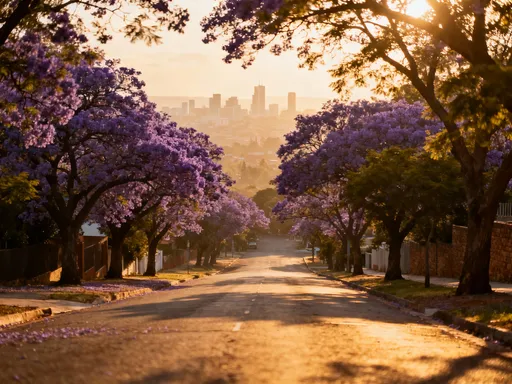
Every October and November, Pretoria undergoes a transformation so striking it feels almost magical. The city’s streets, parks, and campuses become awash in shades of lavender and violet as thousands of jacaranda trees burst into bloom. Originally imported from South America in the late 19th century, these trees have become an integral part of Pretoria’s identity. Their canopy of purple flowers creates a dreamlike atmosphere, drawing photographers, couples, and families eager to capture the moment.
The phenomenon is more than just aesthetic—it’s a cultural event. Locals refer to it as "Jacaranda Season," and it marks a time of celebration, outdoor gatherings, and renewed energy after winter. Some even joke that if you haven’t passed your exams by the time the jacarandas start shedding their flowers, you won’t pass at all—a lighthearted superstition rooted in student life at the University of Pretoria. The blooming period typically lasts four to six weeks, peaking in mid-October, and the timing varies slightly each year depending on rainfall and temperature.
For the best viewing experience, certain areas stand out. Hans Strydom Avenue, often called the most beautiful street in Pretoria, is lined with mature jacarandas that form a continuous purple tunnel when in full bloom. Brooklyn, a leafy suburb close to the city center, offers quiet residential streets where the trees arch over the road, creating intimate, photogenic corridors. The University of Pretoria’s main campus is another prime location, where the flowers contrast beautifully with the red-brick buildings and manicured lawns.
While the crowds can be heavy during weekends, early morning or weekday visits offer a more peaceful experience. Traffic often slows in popular areas as drivers stop to take photos, so using alternative transportation is wise. Bike rentals are available in some parts of the city, and cycling allows you to cover more ground while avoiding congestion. Walking tours focused on the jacarandas are also offered during the season, providing historical context and hidden viewing spots known only to locals.
Interestingly, the jacaranda is not native to South Africa. It was introduced as an ornamental tree and has since adapted well to the region’s climate. Though some environmentalists caution against non-native species, the jacaranda’s deep roots and drought resistance have helped it thrive without becoming invasive. Its presence is now so entrenched in the city’s character that removing it would feel like losing a part of Pretoria’s soul.
Groenkloof Nature Reserve: Urban Wilderness at Its Best
Just minutes from Pretoria’s city center lies Groenkloof Nature Reserve, one of the oldest proclaimed nature reserves in Africa, established in 1892. Spanning over 600 hectares, it offers a rare blend of conservation, recreation, and accessibility. Unlike remote parks that require long drives, Groenkloof is within easy reach, making it a favorite among locals and visitors alike who crave a quick escape into nature without leaving the city limits.
The reserve features a network of well-marked trails ranging from gentle walks to more challenging hikes. The Protea Loop, approximately 5 kilometers long, takes visitors through open grasslands and rocky outcrops, offering frequent sightings of zebra, blesbok, and duiker. Birdwatchers will appreciate the diversity of species, including the grey loerie, black cuckoo, and various raptors that soar above the ridges. Early morning is the best time to visit, when animals are most active and the temperature is cool.
Safety is a priority at Groenkloof, and the reserve is staffed with rangers who patrol regularly. Visitors are advised to stay on marked paths, avoid feeding wildlife, and carry water, especially during summer months. The entrance fee is modest, and parking is available at the main gate. While the reserve is open daily, arriving at opening time ensures a quieter experience and better wildlife viewing opportunities.
One of the highlights is the view from the upper trails, where the city skyline emerges in the distance, framed by acacia trees and rocky cliffs. This juxtaposition of urban and wild landscapes is a defining feature of Pretoria’s charm. Families often picnic at the designated areas, and children enjoy spotting tortoises and butterflies along the easier paths. The reserve also plays an important role in environmental education, hosting school groups and conservation workshops throughout the year.
For those seeking a more structured experience, guided walks are available on weekends and public holidays. Led by knowledgeable rangers, these tours provide insight into the local flora and fauna, as well as the history of the reserve. Whether you’re hiking, birding, or simply breathing in the fresh air, Groenkloof offers a restorative experience that reconnects you with nature in the heart of the city.
How to Plan Your Scenic Day Out: Transport, Timing, and Local Etiquette
Planning a scenic day in Pretoria requires thoughtful preparation, especially for those unfamiliar with the city’s layout. While having a car offers the most flexibility, it is not the only option. Ride-hailing apps like Uber and Bolt operate reliably in Pretoria and are widely used by tourists. They provide a safe, convenient way to move between attractions, particularly in areas where public transportation is limited. GPS navigation works well in most parts of the city, though it’s wise to download offline maps as a backup in case of signal loss.
Traffic patterns should be considered when scheduling visits. The city experiences rush hours between 7:00–9:00 a.m. and 4:30–6:30 p.m., particularly along major routes like Church Street and the N1 highway. To avoid congestion, aim to arrive at popular sites like the Union Buildings or Freedom Park by 8:00 a.m. Weekends can be busier, especially during jacaranda season, so mid-week visits often provide a more relaxed pace.
Weather also plays a role in planning. Winters (May to August) are dry and sunny, perfect for outdoor exploration, while summers bring afternoon thunderstorms, usually brief but intense. Packing a light rain jacket or umbrella is advisable, even in winter. Sun protection is essential year-round due to the high altitude—hats, sunscreen, and sunglasses are recommended for all outdoor activities.
When visiting cultural or memorial sites, modest dress and respectful behavior are appreciated. At Freedom Park, for example, loud conversations and disruptive behavior are discouraged, especially in designated quiet zones. It’s customary to greet staff and rangers with a polite "hello" or "good morning," and many locals respond warmly to simple gestures of courtesy. Tipping is not expected at most attractions but is welcomed for guided tours or exceptional service.
An ideal itinerary might begin with an early visit to Groenkloof Nature Reserve, followed by breakfast at a nearby café. From there, head to the Union Buildings for morning photos, then enjoy lunch in the city center before spending the afternoon at Freedom Park. This combination balances nature, history, and reflection, offering a well-rounded experience in a single day. For those staying longer, spreading these visits over two or three days allows for a more immersive pace.
Beyond the Postcard: Finding Your Own Quiet Escape
While the well-known attractions draw justified attention, some of Pretoria’s most memorable moments happen off the beaten path. These quieter corners—a hidden garden behind a church, a suburban viewpoint with an unobstructed horizon, a peaceful bench overlooking a dam—are where the city reveals its softer side. Discovering them requires curiosity, a willingness to wander, and a few friendly conversations with locals.
Many residents are happy to share their favorite spots, whether it’s a quiet park in Waterkloof or a scenic overlook in Constantia Park. Asking simple questions like "Where do you go to relax?" or "What’s your favorite place to watch the sunset?" can lead to unexpected recommendations. Some of the loveliest moments come from unplanned detours—turning down a quiet street and finding a row of blooming camellias, or stumbling upon a community garden buzzing with bees and butterflies.
Slowing down is key. In a world that often values speed and efficiency, Pretoria invites a different rhythm. Sitting on a bench in a neighborhood square, watching children play, or listening to birdsong in a small park can be just as enriching as visiting a major landmark. These moments of stillness allow the traveler to truly absorb the essence of a place.
Pretoria does not shout its beauty—it reveals it gradually, quietly, to those who take the time to look. It is a city that rewards patience, curiosity, and presence. Whether you come for the purple blooms, the historic sites, or the sweeping views, you may find yourself leaving with something deeper: a sense of peace, a renewed appreciation for nature, and the quiet joy of discovery. In Pretoria, the journey is not just about seeing—but about feeling, remembering, and belonging.