You Won’t Believe These Hidden City Views Hiking in Nara
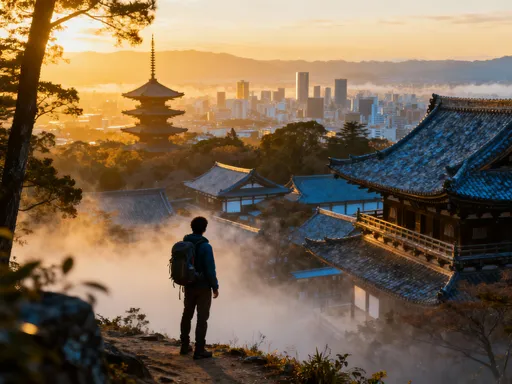
Hiking in Nara isn’t just about temples and deer—it’s about discovering the city from a whole new angle. I never expected to find panoramic skyline views tucked behind quiet forest trails. As you climb, ancient rooftops fade into modern rooftops, and the buzz of downtown blends with birdsong. This is urban nature at its finest—peaceful, surprising, and utterly authentic. If you think Nara is just history, wait until you see it from above. From the soft glow of morning light over tiled roofs to the layered silhouette of distant skyscrapers beyond forested ridges, Nara reveals itself in fragments, then in full splendor, the higher you go. These hidden vantage points offer more than scenery; they offer perspective.
Why Hike in a Historic City?
Nara is best known for its UNESCO World Heritage temples, serene parks, and the gentle presence of deer roaming freely through sacred spaces. Yet beneath its well-trodden cultural identity lies an overlooked dimension—one of elevation, quiet trails, and unexpected cityscapes. Hiking in a city often associated with stillness and tradition may seem paradoxical, but in Nara, the natural and urban landscapes are not in conflict. They coexist in harmony, shaped by centuries of reverence for both nature and civilization. The city sits cradled within a basin surrounded by low mountain ranges, creating a unique geography where forested slopes rise just beyond temple gates and residential neighborhoods taper into woodland paths.
What makes hiking in Nara particularly rewarding is the gradual unfolding of perspective. Unlike rural treks where nature dominates entirely, or urban walks confined to sidewalks and streets, Nara’s trails offer a blend of both worlds. As you ascend, the city reveals itself in layers—first the tiled roofs of traditional homes, then the orderly grid of downtown, and finally, in the distance, the faint outline of Osaka’s modern skyline. This transition is not abrupt but gentle, mirroring the city’s own rhythm of continuity and change. It invites hikers to see Nara not merely as a museum of the past but as a living, breathing place where history and modernity walk side by side.
The value of such an experience extends beyond visual pleasure. Walking these trails fosters a deeper connection with the city’s soul. You begin to understand how topography has shaped settlement patterns, how sacred groves were preserved even as infrastructure expanded, and how residents have maintained access to nature despite urban growth. This integration of green space into daily life is a hallmark of Japanese urban planning, and Nara exemplifies it with quiet elegance. For visitors, hiking becomes a form of slow travel—a way to move beyond checklists and souvenirs and instead absorb the essence of a place through rhythm, breath, and observation.
Top Trailheads with Cityscape Vistas
For those eager to experience Nara’s elevated views, several well-maintained trailheads offer accessible entry points into the surrounding hills. Each provides a distinct vantage, varying in difficulty, scenery, and proximity to the city center. Among the most rewarding are Yoshikawa Mountain, Mount Kasuga, and Takatori-yama—three gateways to panoramic discovery.
Yoshikawa Mountain, located to the east of central Nara, is ideal for hikers seeking wide, unobstructed views of the city’s eastern expanse. The trail begins near Yoshikawa Shrine, a quiet destination in itself, where red torii gates mark the transition from town to forest. From here, the path ascends steadily through mixed woodland, with occasional clearings that offer glimpses of rooftops below. After about 45 minutes of moderate climbing, the canopy opens to reveal a sweeping overlook. On clear days, the entire eastern stretch of Nara unfolds like a detailed map—residential blocks, temple complexes, and the distant ribbon of the Kintetsu Line winding toward Kyoto. The view is especially striking in autumn when the surrounding hills blaze with color, framing the city in seasonal fire.
Mount Kasuga, one of the most spiritually significant peaks in the region, offers a different kind of experience. While best known for the Kasuga Taisha Shrine at its base, the mountain itself hosts a network of trails that wind through the primeval forest of Kasugayama Primeval Forest, a protected area for over a thousand years. The main trail, marked with stone steps and lanterns, climbs gently through towering cryptomeria trees. What makes this hike unique is the interplay between sacred space and urban visibility. As you rise, the dense greenery occasionally parts to reveal unexpected views—a pagoda peaking above the treetops, the red roof of a neighborhood temple, or the modern glass facade of a municipal building in the distance. It’s a subtle reminder that the spiritual and the everyday are not separate in Nara, but intertwined.
For the most expansive vista, Takatori-yama stands out as a hidden gem. Located just beyond the southeastern edge of Nara city, this trail is less frequented by tourists but beloved by local hikers. The ascent begins near Takatori Castle ruins, a peaceful historical site with stone foundations and overgrown walls. The trail climbs steadily through bamboo groves and rocky outcrops, with switchbacks that make the effort manageable. After about 75 minutes, the summit clears, revealing a breathtaking panorama. To the north, Nara spreads out beneath you, its urban core framed by rolling hills. To the south, the horizon opens to include the distant skylines of Osaka and even, on exceptionally clear days, the faint silhouette of Kobe. This layered view—ancient ruins below, modern cities beyond—captures the essence of Japan’s temporal depth.
The Magic of Dawn Hikes
One of the most transformative ways to experience these trails is to begin at dawn. Starting early not only helps avoid midday heat and weekend crowds but also unlocks a quieter, more intimate side of Nara. As the first light creeps over the eastern hills, the city stirs slowly—streetlights flicker off, delivery trucks hum along empty roads, and the air carries the crisp scent of dew on pine needles. Ascending during these quiet hours feels like moving through a dream, where the boundary between nature and city blurs into something poetic.
Dawn hikes offer unparalleled photo opportunities. The soft, angled light bathes temple roofs in gold, highlights the texture of tree bark, and casts long shadows across the valley. From elevated points, you can watch the city awaken layer by layer—first the industrial zones, then the commercial districts, and finally the residential neighborhoods, each coming to life in sequence. Fog often lingers in the basin, swirling like smoke around buildings before rising and dissipating as the sun gains strength. This ephemeral beauty is fleeting, lasting only 20 to 30 minutes, but it leaves a lasting impression.
For those planning a morning trek, preparation is key. Checking the sunrise time in advance ensures you arrive at the trailhead just before first light. Packing a lightweight headlamp or flashlight is advisable for the initial part of the climb, especially on less illuminated paths like those near Takatori. Dressing in breathable, moisture-wicking layers helps manage body temperature as you warm up during the ascent. It’s also important to respect local customs regarding noise—keeping voices low and avoiding loud music honors the tranquility of these shared spaces. Many residents live near trail entrances, and the early hours are a time of peace for them as well.
Another benefit of dawn hiking is the presence of wildlife. In the stillness of morning, it’s not uncommon to spot deer moving through the underbrush, birds calling from the canopy, or even a fox slipping between trees. These encounters feel more profound in the hush of dawn, adding to the sense of being a quiet observer in a world that has not yet fully woken. For families or solo travelers seeking a reflective start to the day, few experiences in Nara rival the serenity of a sunrise hike.
How the Terrain Shapes the View
The visual drama of Nara’s cityscape hikes is made possible by its distinctive geography. The city lies in a gently sloping basin, encircled by low mountain ranges that rise just 200 to 400 meters above sea level. While not towering, these elevations are sufficient to create natural viewing platforms, especially given the relatively flat urban core. As trails ascend from the valley floor, they follow ridgelines and spurs that offer strategic vantage points, gradually revealing more of the city with each gain in altitude.
The progression of the view is part of what makes these hikes so engaging. At the start, the surroundings are intimate—tree-lined paths, moss-covered stones, the sound of a nearby stream. The city feels distant, muffled by vegetation. But as the trail climbs and the canopy thins, the urban landscape begins to appear in fragments. A water tower emerges above the treetops. Then a train station. Then the angular roof of a department store. By the time you reach a ridge or summit, the city spreads out in full view, its layout suddenly legible.
This gradual revelation is not accidental. The topography of the Nara basin has influenced both natural preservation and urban development. Because the surrounding hills were historically considered sacred, large portions were protected from deforestation and construction, preserving continuous green corridors. At the same time, the gentle slopes allowed for controlled urban expansion without sacrificing access to nature. Today, this legacy means that even short hikes can deliver dramatic shifts in perspective, moving from enclosed forest to open vista in under an hour.
For those interested in the physical details, elevation maps show that most trails gain between 150 and 300 meters over distances of 2 to 4 kilometers. This moderate gradient makes them accessible to hikers of various fitness levels, especially when broken into segments with rest points. Signage along the trails often includes small topographic diagrams, helping visitors understand their position relative to the city. These tools enhance the experience, turning a simple walk into a journey of geographical discovery.
Blending Culture and City Views
What sets Nara’s hikes apart from typical nature treks is the seamless integration of cultural elements along the trails. Unlike remote mountain paths, these routes often pass through or near sacred spaces—small shrines tucked into groves, stone lanterns lining forest edges, or the distant chime of temple bells carried on the wind. These moments of cultural resonance deepen the hiking experience, reminding visitors that they are moving through a landscape shaped by centuries of spiritual practice.
One of the most poignant experiences is spotting a five-story pagoda nestled between modern apartment buildings, visible only from a high ridge. This juxtaposition is not jarring but harmonious, a testament to Nara’s ability to balance preservation with progress. Similarly, hikers may come across small jizo statues along the path, adorned with red bibs by locals as offerings for protection. These quiet gestures of faith add a layer of human warmth to the journey, connecting the individual walker to the community below.
Respect is essential when traversing these shared spaces. Staying on marked paths protects delicate vegetation and avoids disturbing private property or sacred grounds. Many trails pass near residential areas where homes back directly onto the forest, and courteous behavior—keeping noise low, not littering, and avoiding shortcuts—is expected. In some areas, signs request that visitors refrain from picking plants or feeding wildlife, rules rooted in conservation efforts that have preserved these spaces for generations.
This cultural sensitivity enriches the experience. Rather than feeling like an outsider looking in, hikers begin to feel like temporary guests in a living landscape. The views are not just scenic backdrops but parts of a continuing story—one in which nature, history, and daily life coexist in quiet balance. For families visiting with children, these trails offer gentle lessons in respect, observation, and the value of quiet reflection.
Practical Tips for a Smooth Hike
To fully enjoy Nara’s elevated trails, preparation is essential. While the hikes are generally moderate, the right gear and planning can make the difference between a pleasant outing and a tiring ordeal. Footwear is the most critical consideration. Sturdy trail shoes with good grip are recommended, especially after rain when paths can become slippery with wet leaves or moss. Open-toed sandals or flat-soled sneakers are not suitable for the uneven terrain.
Layering clothing is another key strategy. Mornings can be cool, particularly in spring and autumn, but temperatures rise quickly as the sun climbs. Lightweight, breathable fabrics that wick moisture help maintain comfort. A compact rain jacket is also wise, as sudden showers are common, especially in the summer months. Carrying a small backpack with essentials—water, a snack, sunscreen, and a hat—ensures you stay hydrated and protected.
Access to trailheads is convenient via public transportation. Yoshikawa Mountain is reachable by bus from Kintetsu Nara Station, with a short walk from the Yoshikawa stop. Mount Kasuga’s main trail begins just behind Kasuga Taisha Shrine, easily accessed by city bus or a 20-minute walk from JR Nara Station. Takatori-yama requires a transfer to the Kintetsu Tawaramoto Line, with a 15-minute walk from Takatori Station to the trail entrance. Timetables are posted at stations, and many signs include English translations, making navigation straightforward for international visitors.
Safety should never be overlooked. Staying on marked trails prevents disorientation and protects the environment. In rainy conditions, some slopes can become hazardous, so it’s best to postpone hikes during or immediately after heavy rain. Carrying a fully charged phone and sharing your itinerary with someone is a simple but effective precaution. For families, choosing shorter routes with frequent rest points ensures that children can enjoy the experience without becoming overwhelmed.
Why This Experience Stands Out
Hiking in Nara offers something rare: a chance to see a well-known city anew. Most visitors come to admire its temples, feed its deer, and stroll through its parks. Few realize that just a short climb away, a different perspective awaits—one that reveals the city in its full spatial and historical context. From above, Nara is no longer just a collection of landmarks but a living organism, shaped by geography, culture, and time.
This dual experience—of nature and city, of silence and subtle urban hum—creates a sense of balance that is increasingly rare in modern travel. It invites reflection. As you stand on a ridge watching the light spread across the valley, you begin to understand how places evolve, how tradition and change coexist, and how beauty can be found not just in the ancient or the modern, but in their quiet dialogue.
For women between 30 and 55, many of whom juggle family, work, and personal well-being, these hikes offer more than scenic views. They provide space to breathe, to move, and to reconnect with oneself. The rhythm of walking, the focus on each step, the immersion in nature—all contribute to a sense of renewal. And when the city appears below, not as a source of stress but as a tapestry of life, it brings a quiet clarity.
The final message is simple: sometimes, the best way to know a city is to leave it behind—just enough to see it clearly. In Nara, that journey is not long, not difficult, but deeply rewarding. Whether you come for the views, the peace, or the quiet joy of movement, these hidden trails offer a perspective that stays with you long after you return to solid ground.