You Won’t Believe These Hidden Cultural Trails in Fortaleza
If you think Fortaleza is just golden beaches and bustling markets, think again. I stumbled upon something unexpected—hiking paths that lead straight into the heart of Brazilian culture. From ancient street art to sacred music spots, every trail tells a story. This isn’t just a walk—it’s a journey through rhythm, history, and local soul. Let me show you the side of Fortaleza most travelers never see.
The Unexpected Side of Fortaleza: Where Hiking Meets Heritage
Fortaleza, often celebrated for its sun-kissed coastlines and vibrant boardwalks, holds a quieter, deeper truth just beyond the postcard views. While most visitors gravitate toward the sands of Iracema or Meireles, a growing number of explorers are venturing inland—where shaded trails weave through neighborhoods pulsing with cultural life. These are not wilderness treks in the traditional sense, but thoughtfully connected routes that guide hikers through the living fabric of the city. Here, every step is layered with meaning, where cobblestone alleys echo with ancestral rhythms and street corners bloom with murals that speak of resistance, faith, and joy.
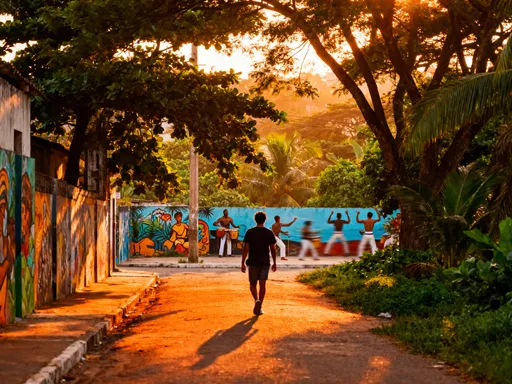
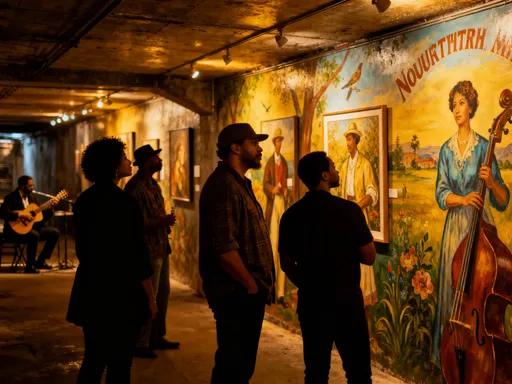
One such path, informally known as the Samba Trail, begins in the working-class district of Mucuripe and winds through backstreets lined with family homes adorned with hand-painted tiles and open windows from which the sounds of accordion and zabumba drums spill freely. The trail connects community centers where elders gather to teach capoeira to children, and small chapels where residents light candles in devotion. Unlike typical tourist itineraries, these walks are not about checking off landmarks—they are about experiencing continuity, about witnessing how culture is preserved not in glass cases, but in daily practice.
What makes these cultural hikes unique is their seamless fusion of nature and human expression. Paths often begin in green spaces like the Cocó Ecological Park, where native vegetation and birdlife offer a moment of calm, then gradually transition into urban corridors rich with heritage. The shift is intentional: the quiet of nature prepares the mind for deeper observation, making the cultural encounters that follow all the more vivid. Hiking here becomes a form of slow travel—movement with mindfulness, where the destination is understanding, not distance.
Why Culture-Infused Hikes Are Changing Travel Experiences
In recent years, a quiet revolution has taken place in how people travel. The days of rushing from one monument to another, camera in hand, are giving way to a more intentional approach—one rooted in connection, presence, and respect. Today’s travelers, especially those between the ages of 30 and 55, are increasingly seeking experiences that feel authentic, that offer a glimpse into how people truly live. This shift has given rise to a new kind of journey: the culture-infused hike, where physical movement becomes a vessel for emotional and intellectual engagement.
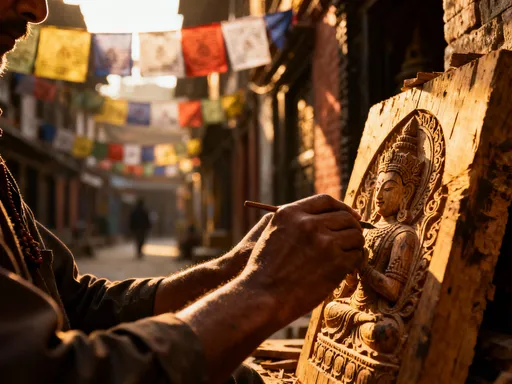
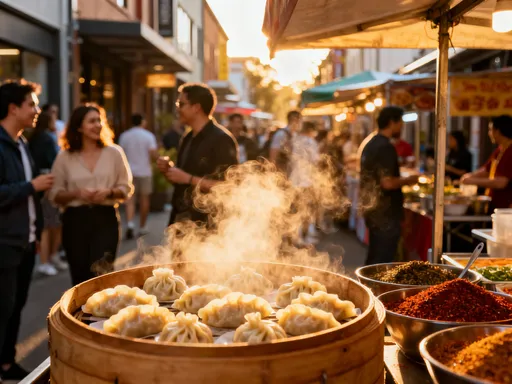
In Fortaleza, this model thrives. Rather than viewing culture through the glass of a museum display, hikers encounter it in motion. They hear the call-and-response of a maracatu rehearsal echoing from a neighborhood plaza. They pass artisans weaving palm fronds into traditional baskets, their hands moving with the precision of generations. They smell the scent of acarajé frying in dendê oil outside a small stand run by a grandmother who learned the recipe from her mother. These are not staged performances for tourists; they are ordinary moments in an extraordinary cultural landscape.
The power of these hikes lies in their rhythm. As your feet fall into step with the path, your senses begin to sync with the city’s pulse. You notice more—the way a child dances instinctively to the beat of a passing drum, the way neighbors greet each other with a warmth that feels both familiar and profound. This is experiential learning at its finest: not taught, but felt. And for many travelers, especially women who often seek meaningful connection during their journeys, these walks offer a rare sense of belonging, even if only for a few hours.
Top Cultural Hiking Routes in and Around Fortaleza
For those ready to explore, Fortaleza offers several accessible hiking routes that blend natural beauty with cultural depth. Each is designed with care, ensuring that visitors of all fitness levels can participate without strain. These trails are not about endurance; they are about immersion.
One of the most celebrated routes begins in Praia do Futuro, a neighborhood known for its lively beach culture, but extends inland through a network of narrow streets and footpaths. This trail leads hikers to open-air capoeira circles where practitioners—some as young as six, others well into their seventies—move with grace and strength in a dance-like martial art born of resistance. Along the way, visitors pass small forró halls, often family-run, where live music fills the night air. While the hike can be done during the day, many locals recommend walking it in the late afternoon, when the golden light softens the streets and the music begins to rise.
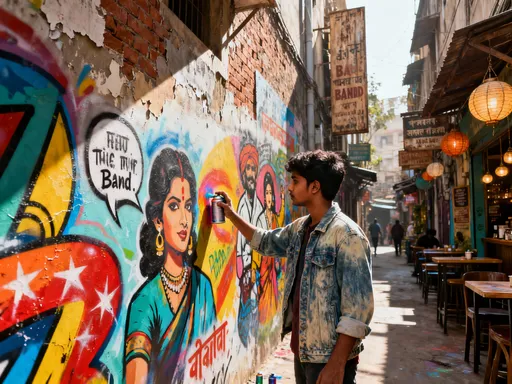
Another compelling option traces the southern edge of the Cocó Ecological Park, one of the largest urban mangrove reserves in Brazil. The trail here is well-marked and shaded, making it ideal for families or those new to hiking. As it approaches the historic district of Joaquim Távora, the landscape shifts. Colonial-era houses with pastel facades and wrought-iron balconies line the streets. Alleyways burst with murals—some depicting Afro-Brazilian heroes, others illustrating scenes from local folklore. At the trail’s end stands a small chapel dedicated to Our Lady of Assumption, where residents still gather for candlelit processions during religious festivals.
A third route, less traveled but deeply rewarding, connects the coastal community of Barra do Ceará to a cluster of artisan workshops along the banks of the Ceará River. This path follows an old fishermen’s footpath, now reinforced with wooden planks and safety railings. Along the way, hikers learn about traditional boat-building techniques and see artisans crafting instruments used in regional music. The trail culminates in a riverside plaza where weekend cultural fairs showcase dance, food, and storytelling. These routes are not just walks—they are curated journeys through time, tradition, and community.
Music, Movement, and Memory: Experiencing Living Culture on Foot
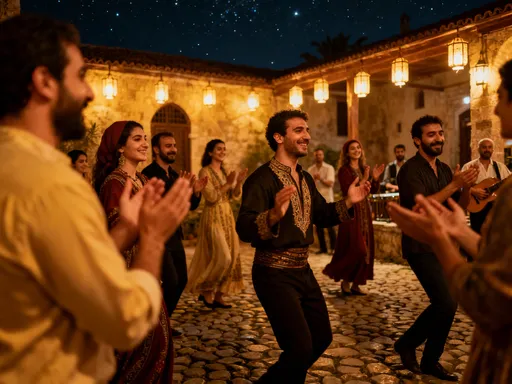
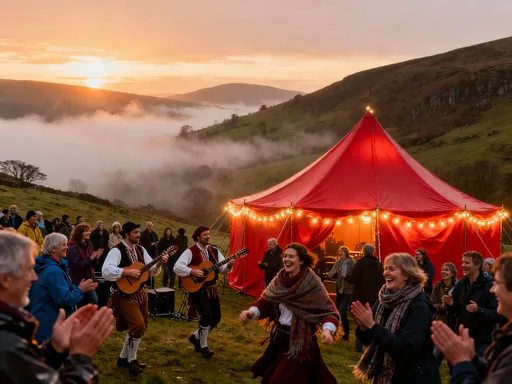
In Fortaleza, culture is not preserved behind ropes or glass. It lives in motion—in the sway of a dancer’s hips, the strike of a drum, the chant of a prayer. On these cultural hikes, music is not background noise; it is the heartbeat of the experience. As you walk, you may come upon a group of women practicing bumba meu boi in a vacant lot, their colorful costumes fluttering in the breeze. Or you might hear the haunting melody of a viola sertaneja drifting from an open window, a sound that carries the soul of the Brazilian countryside.
One of the most moving moments on the trail occurs in the early morning, when elders gather under the shade of a mango tree in Mucuripe to teach young children the steps of traditional dances. There is no stage, no audience—just a circle of participants, hands clasped, moving in unison. To pause and watch is to witness the transmission of heritage, a quiet act of preservation that requires no fanfare. These are not tourist attractions; they are acts of love, passed from one generation to the next.
Equally powerful are the small shrines and altars that dot the trail—simple structures made of wood or stone, adorned with flowers, candles, and photographs. These are tributes to local saints, ancestors, or community heroes, and they serve as reminders of the spiritual dimension of daily life. Travelers are encouraged to observe with reverence, to stand quietly and absorb the significance of these spaces. In these moments, the line between visitor and participant blurs. You are not just seeing culture—you are feeling it, breathing it, becoming part of its rhythm, if only for a little while.
Practical Tips for Exploring Cultural Trails Safely and Respectfully
While these cultural trails are welcoming, a few thoughtful practices can ensure that your visit is both safe and respectful. First and foremost, dress modestly, especially when passing near religious sites or community gatherings. While Fortaleza is warm year-round, lightweight, long-sleeved clothing can offer both sun protection and cultural sensitivity. Avoid revealing attire, as many neighborhoods value conservative dress, particularly during religious observances.
Photography is a natural impulse, but it should be approached with care. Always ask permission before photographing people, especially children or elders. A simple smile and a gesture toward your camera can go a long way. In many cases, locals will welcome the interest, but some moments—such as private rituals or family gatherings—are not meant to be recorded. Respecting these boundaries builds trust and honors the dignity of the community.
Carrying small bills is also recommended. You may encounter street musicians, artisans selling handmade crafts, or donation boxes at cultural centers. Contributing a few reais is not just a gesture of appreciation—it supports the very traditions you are there to witness. Additionally, consider hiring a local guide. Many are trained musicians, historians, or community leaders who can provide context and deepen your understanding. Their knowledge transforms a simple walk into a rich, layered experience.
Timing matters, too. Early morning—between 6:00 and 9:00 a.m.—is often the best time to hike. The temperature is cooler, the light is soft, and many cultural activities take place at sunrise. By aligning your walk with the natural rhythm of the community, you are more likely to witness authentic moments rather than staged performances. Staying hydrated and wearing comfortable walking shoes are practical essentials, but so is patience. These hikes are not about speed; they are about presence.
How These Hikes Support Local Communities and Preservation
Every step taken on Fortaleza’s cultural trails carries significance beyond personal enjoyment. These routes are designed not only to educate but to empower. Many are managed in partnership with local associations, cooperatives, and cultural collectives, ensuring that tourism benefits the people who call these neighborhoods home. When you join a guided hike, your fee often goes directly to a community guide—perhaps a retired teacher, a capoeira master, or a folklorist—who shares their knowledge with pride.
Entrance fees to small museums, cultural centers, or artisan workshops fund preservation efforts. For example, a modest donation at the Mucuripe Cultural House supports the restoration of historic instruments and the printing of educational materials for local schools. Similarly, revenue from weekend fairs helps maintain community spaces and provides stipends for performers. This model of cultural tourism creates sustainable income without compromising authenticity.
Moreover, the visibility these hikes bring helps protect traditions that might otherwise fade. When younger generations see outsiders valuing their music, dance, and crafts, they are more likely to take pride in them. Tourism, when done with care, becomes a form of cultural affirmation. It tells communities: your way of life matters. It is not just surviving—it is worth sharing, worth preserving, worth walking miles to experience.
Why Every Traveler Should Seek Meaningful Movement Over Mileage
In a world where travel can sometimes feel transactional—book a flight, snap a photo, move on—Fortaleza’s cultural trails offer a different promise. They invite travelers to slow down, to listen, to walk with purpose. Hiking here is not about conquering elevation or logging kilometers; it is about connection. It is about standing in a sunlit plaza and feeling the beat of a drum sync with your own heartbeat. It is about sharing a smile with a grandmother selling pão de queijo from a wooden cart, or watching a child take their first steps in a traditional dance.
For women in their 30s, 40s, and 50s—many of whom travel to recharge, reflect, and reconnect—these experiences offer something rare: a sense of belonging in a foreign place. They remind us that culture is not something we consume, but something we participate in, even briefly. The trails of Fortaleza prove that the most memorable journeys are not always to the most famous places, but to the most human ones.
As cities around the world look to balance tourism with preservation, Fortaleza’s model offers inspiration. It shows that adventure does not require remote jungles or mountain peaks. It can be found in a neighborhood alley, a community choir, a handwoven basket. The future of travel lies not in escaping culture, but in diving deeper into it. And the simplest way to do that? Put on your walking shoes, step onto the path, and let the rhythm of the city guide you home.