You Won’t Believe These Hidden Natural Wonders in Lake Como
Nestled in the Italian Alps, Lake Como is more than just a celebrity hotspot—it’s a masterpiece of nature. I’ve wandered its shores, hiked its trails, and been stunned by views that feel almost unreal. From emerald waters to misty mountain backdrops, this lake delivers pure magic. If you’re chasing beauty that’s both serene and awe-inspiring, Lake Como’s natural wonders won’t disappoint. Far from the glitz often associated with its luxury villas and A-list visitors, the region reveals a quieter, deeper kind of wonder—one rooted in ancient glaciers, alpine silence, and centuries of delicate harmony between people and landscape. This is a place where nature doesn’t just surround you; it speaks to you, in the rustle of cypress trees, the shimmer of morning light on water, and the scent of blooming azaleas carried on a soft breeze.
Why Lake Como Stands Out Among Europe’s Natural Gems
Lake Como’s distinction among Europe’s most celebrated natural landscapes lies in its dramatic geological origins and exceptional environmental balance. Formed over 20,000 years ago by retreating glaciers, the lake carves a striking T-shaped path through the southern slopes of the Alps, flanked by steep, forested ridges that rise sharply from its shores. This unique shape—created by the convergence of three glacial valleys—gives the lake an expansive yet intimate character, offering both grand vistas and secluded coves. Unlike the more symmetrical lakes of Switzerland or France, Lake Como’s irregular form enhances its sense of mystery, with each bend revealing a new perspective, a hidden inlet, or a village clinging to the hillside like a painted detail on a Renaissance canvas.
The region’s microclimate further elevates its natural appeal. Sheltered by the Alps to the north and open to warmer air masses from the Po Valley in the south, Lake Como enjoys a remarkably mild environment. This allows for the flourishing of Mediterranean vegetation—oleander, citrus trees, and palm groves—alongside alpine flora such as edelweiss and mountain pine. The contrast is striking: snow-capped peaks visible in the distance while lemon trees bloom at your feet. This rare blend of climates supports a biodiversity uncommon in continental Europe, making the area not only visually stunning but ecologically significant. Botanists and nature lovers alike find rich rewards in observing how plant life adapts across elevation zones.
Many first-time visitors arrive expecting only opulence—gilded villas, private yachts, and designer boutiques. While these elements exist, they are framed by something far older and more enduring: the raw beauty of the landscape itself. The villas were built here precisely because of the scenery, not in spite of it. The interplay between human craftsmanship and natural grandeur is what defines Lake Como’s essence. Understanding this balance helps travelers appreciate the region beyond its surface glamour. It’s not just a destination for the wealthy; it’s a sanctuary for anyone seeking tranquility, inspiration, and a connection to the rhythms of the natural world.
The Lake Itself: A Mirror of Light and Color
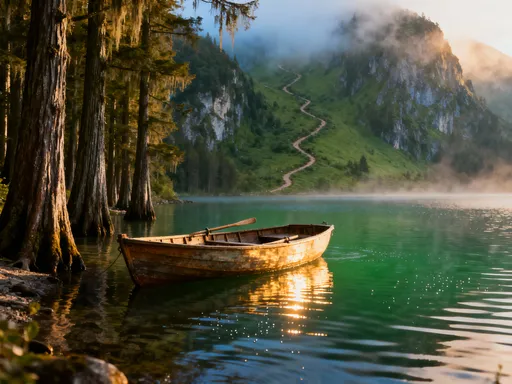
At the heart of Lake Como’s allure is the water—deep, clear, and ever-changing. With a maximum depth of over 400 meters, it ranks among the deepest lakes in Europe, contributing to its cool temperatures and remarkable clarity. But it’s the lake’s reflective quality that captivates most. On calm mornings, the surface becomes a flawless mirror, doubling the sky, the mountains, and the villages perched above. As sunlight shifts throughout the day, the water transforms in hue—from silvery gray at dawn to brilliant turquoise by midday, deepening into emerald green under overcast skies. This dynamic palette creates an almost dreamlike atmosphere, where reality and reflection blur.
Being on the water is the best way to experience its scale and serenity. Ferry rides, operated by reliable regional services, connect the major towns and offer front-row seats to the unfolding scenery. Unlike private speedboats that skim the surface, the slow, scheduled ferries allow time to absorb the surroundings—the distant calls of waterbirds, the scent of damp stone and pine, the gentle lap of waves against the hull. Midday crossings often reveal schools of fish just beneath the surface, their shadows darting through sunlit channels. Evening journeys, especially in summer, are particularly magical, as the fading light gilds the villas and hillsides in warm gold.
The lake’s depth also contributes to its ecological stability. Cold, oxygen-rich waters support diverse aquatic life, including native species like the bleak and perch. While swimming is permitted in designated areas, the water remains refreshingly cool even in peak summer, a welcome relief from the heat. Popular spots for swimming include the rocky platforms near Lido di Lenno and the sandy shore of Spiaggia Libera di Plesio, both offering clean access and clear visibility. For families, these natural entry points are safer and more scenic than artificial pools. The sensation of floating on such ancient, pristine water—surrounded by silence broken only by wind and birdcall—creates a rare sense of peace, one that stays long after the trip ends.
Hidden Trails with Breathtaking Panoramas
Beyond the well-trodden piazzas and tourist paths, Lake Como harbors a network of hiking trails that reveal its wilder soul. Among the most rewarding is the Sentiero del Viandante, or “Path of the Traveler,” a historic route that follows the eastern shore from Abbadia Lariana to Colico. Originally used by pilgrims and traders, this trail winds through shaded woodlands, past ancient stone chapels, and along cliff edges with unobstructed views of the lake’s central basin. Sections of the path are paved with smooth stone, others with compacted earth, but all are well-marked with yellow signs and directional arrows, making navigation straightforward even for casual hikers.
Another exceptional route lies above Bellagio, accessible via the village of Pian di Sorrento. The climb begins gently through olive groves and vineyards, then ascends into a forest of chestnut and beech trees. After about 45 minutes, the path opens onto a panoramic terrace known locally as Belvedere di Montecroce. From here, the full splendor of Lake Como unfolds—the Y-shaped junction of the lake’s three arms, dotted with islands and framed by distant snow-capped peaks. On clear days, the view extends all the way to the Alps of Valchiavenna. This is the kind of vista that stops conversation, leaving only quiet awe.
For those seeking solitude, the trails around Monte San Primo offer a more secluded experience. Rising to 1,685 meters, this peak is reachable via a moderate hike from the village of Griante. The path passes through wildflower meadows in spring, where orchids and gentians bloom among tall grasses. Cypress and laurel trees line parts of the trail, their aromatic leaves releasing scent with every breeze. Hikers are often accompanied by the distant chime of goat bells and the occasional sighting of a red squirrel or buzzard circling overhead. Proper footwear is essential—some sections are rocky and uneven—but the effort is repaid with one of the most comprehensive views in the region.
Timing is key when planning a hike. Early morning offers cooler temperatures and softer light, ideal for photography and avoiding afternoon crowds. Late spring and early autumn provide the most comfortable conditions, with mild weather and lush vegetation. Summer hikes should begin at dawn to escape the midday heat, especially on south-facing slopes. Trail maps are available at local tourist offices, and many routes are covered by regional hiking apps that work offline. Regardless of the path chosen, these walks offer more than exercise—they provide a deep, sensory immersion in Lake Como’s natural rhythm.
Gardens Where Nature Meets Artistry
The lakeside gardens of Lake Como are not merely ornamental—they are living expressions of the region’s unique climate and aesthetic tradition. Among the most renowned is the Garden of Villa Carlotta in Tremezzo, a 17-acre estate that blends formal design with natural topography. Established in the early 19th century, the garden features terraced levels that cascade toward the water, each planted with species that thrive in the mild, humid conditions. Towering sequoias, some over a century old, stand alongside vibrant beds of camellias, azaleas, and rhododendrons. In late winter and early spring, the camellias bloom in shades of pink, red, and white, their waxy petals glowing in the soft light.
Nearby, the Garden of Villa Melzi in Bellagio offers a more intimate experience. Created for Duke Francesco Melzi d’Eril in 1808, this neoclassical garden mixes exotic plants with elegant statuary and a small Egyptian-style temple. The layout encourages wandering—paths curve around lily ponds, pass under wisteria-covered pergolas, and open onto quiet benches overlooking the lake. One of its most striking features is the collection of magnolia grandiflora, their large, glossy leaves and fragrant white flowers creating a distinctly Mediterranean atmosphere. The garden’s microclimate allows for the cultivation of plants typically found much further south, including bamboo and agave.
What sets these gardens apart is not just their beauty, but their integration with the surrounding landscape. Terraces are designed to frame views of the lake, drawing the eye outward and creating a seamless transition between cultivated space and natural scenery. This intentional blurring of boundaries reflects a deeper philosophy—one that values harmony over domination. Visitors often remark on the sense of peace these gardens evoke, a feeling enhanced by the absence of loud noises, the presence of pollinators like bees and butterflies, and the gentle sound of fountains and trickling water.
For families and older travelers, these gardens are ideal destinations—flat paths, shaded areas, and on-site cafés make them accessible and comfortable. Guided tours, available in multiple languages, provide historical context and botanical insights, enriching the experience. More importantly, they serve as reminders that beauty can be both shaped and respected, that human intervention need not disrupt nature but can, at its best, enhance and celebrate it.
Villages That Frame the Natural Beauty
The charm of Lake Como is inseparable from its villages, each a testament to centuries of adaptation to the rugged terrain. Varenna, perched on a narrow strip of land along the eastern shore, is one of the oldest settlements on the lake. Its origins date back to the Middle Ages, when it served as a strategic port. Today, its pastel-colored houses, connected by steep staircases and flower-filled alleyways, seem to grow directly from the rock. The village’s elevated position offers sweeping views, particularly from the gardens of Villa Monastero, once a Cistercian convent. Walking through Varenna feels like stepping into a living painting, where every turn reveals a new composition of color, light, and texture.
Bellagio, often called the “pearl of the lake,” sits at the convergence of the lake’s three arms, making it a natural hub for exploration. Its historic center is compact and pedestrian-only, lined with boutiques, cafés, and 18th-century buildings with ornate facades. But beyond its elegance, Bellagio’s true value lies in its integration with the landscape. Green hills rise immediately behind the town, their slopes dotted with olive groves and villas hidden among the trees. The village does not dominate the environment; it nestles within it, respecting the contours of the land. This symbiosis is evident in the way buildings follow the slope, how rooftops blend with the treetops, and how public spaces open onto panoramic terraces.
Menaggio, on the western shore, offers a more understated charm. Less crowded than its neighbors, it retains a strong local character, with fishermen still mending nets by the dock and families gathering in the central piazza in the evenings. The village serves as a gateway to the Larian Triangle, a hiker’s paradise that includes trails leading to Pian di Spagna, a protected wetland area home to herons, kingfishers, and migratory birds. From Menaggio’s lakeside promenade, the view across to Bellagio is one of the most photographed in the region—a perfect alignment of water, light, and architecture.
These villages are not just picturesque; they are functional communities that have evolved in balance with their environment. Their narrow streets reduce sun exposure in summer, their stone construction provides insulation, and their orientation maximizes natural light. This quiet wisdom, passed down through generations, offers modern travelers a model of sustainable living—one that values beauty, practicality, and respect for nature in equal measure.
Seasonal Magic: When Nature Puts on a Show
Lake Como’s beauty is not static—it evolves with the seasons, each bringing its own palette and mood. Spring, from March to May, is a time of renewal. The hillsides turn lush and green, wildflowers blanket the meadows, and the gardens burst into bloom. This is the ideal season for hiking, with mild temperatures and fewer tourists. The air carries the scent of damp earth and blossoming fruit trees, and the lake, still cool from winter, reflects the brightening skies with crystalline clarity.
Summer, while popular, transforms the landscape into a dense tapestry of green. The foliage reaches its peak thickness, creating deep shade along the trails and a rich contrast with the blue water. Evenings are long and warm, perfect for lakeside dinners and sunset ferry rides. However, July and August bring larger crowds, particularly to Bellagio and Como town. For a more peaceful experience, visiting in June or early September offers similar weather with fewer people.
Autumn, from late September to November, is arguably the most magical season. The trees along the shore—maples, oaks, and chestnuts—turn brilliant shades of gold, amber, and crimson. Their reflections on the calm water create a double landscape, surreal and breathtaking. Morning fog often rolls in, softening the outlines of the mountains and giving the lake a mystical quality. This is a favorite time for photographers and those seeking quiet contemplation. The cooler air makes walking more comfortable, and local markets overflow with seasonal produce—chestnuts, apples, and mushrooms—perfect for picnics or simple meals.
Winter, though less visited, has its own serene beauty. With fewer tourists, the villages regain a sense of calm. On clear days, the snow-capped Alps provide a dramatic backdrop, and the lake, often shrouded in morning mist, feels like a hidden world. While swimming is not advisable, indoor spas and lakeside cafés offer warmth and comfort. The Christmas season brings festive lights and small markets, adding a gentle glow to the quiet streets. For travelers seeking solitude and reflection, winter offers a rare chance to experience Lake Como’s essence without distraction.
How to Experience the Lake Like a Local
To truly connect with Lake Como, it’s essential to slow down and embrace a more mindful way of traveling. Locals don’t rush from villa to villa; they linger. They take the slow ferry instead of the speedboat, pack a picnic with fresh bread, local cheese, and ripe peaches from the market, and find a quiet spot on the shore to eat. This pace allows for observation—the way light moves across the water, how birds skim the surface at dusk, or how the wind stirs the treetops in waves. These small moments, often overlooked, are where the lake’s poetry resides.
Swimming in designated areas is another way to engage physically with the environment. Locals often swim in the late afternoon, when the sun is warm but not harsh. Choosing eco-friendly sunscreen and avoiding plastic packaging helps protect the lake’s delicate ecosystem. Similarly, staying on marked trails during hikes prevents soil erosion and protects native plants. Many visitors are surprised to learn that Lake Como has strict environmental regulations—littering is heavily fined, and motorized water sports are limited to preserve water quality and tranquility.
Supporting local businesses also makes a difference. Instead of international chains, opt for family-run trattorias, small bakeries, and artisans selling handmade ceramics or olive oil. These choices sustain the community and offer more authentic experiences. A simple espresso at a neighborhood bar, shared with residents reading the morning paper, can be more memorable than any guided tour. Additionally, many locals participate in seasonal clean-up events and conservation efforts—travelers can inquire at tourist offices about volunteer opportunities or eco-tours that contribute to preservation.
Ultimately, experiencing Lake Como like a local means respecting its rhythms and values. It means valuing quiet over noise, simplicity over spectacle, and connection over consumption. When travelers adopt this mindset, they don’t just see the lake—they become part of its story, even if only for a brief, beautiful chapter.
Lake Como’s true allure lies beyond the villas and headlines—it’s in the quiet moments surrounded by untouched nature. By seeking out its hidden trails, seasonal shifts, and peaceful corners, travelers don’t just see beauty—they feel it. This is nature at its most poetic, waiting not for spectacle-chasers, but for those ready to truly look. Whether standing atop a mountain path at sunrise, strolling through a centuries-old garden, or sitting silently by the water as evening falls, the lake offers a rare gift: the chance to pause, breathe, and remember what it means to be present. In a world that moves too fast, Lake Como remains a sanctuary of stillness, a place where the soul can rediscover its own quiet rhythm.