Why I Never Get Sick Anymore – Real Talk on Staying Healthy
You know that feeling when everyone around you is coughing, sneezing, and wiping out for days, but you’re still standing strong? That used to be pure luck for me—until it wasn’t. I got tired of being the one always catching every bug, so I dug into real, science-backed ways to boost my body’s defenses. What changed wasn’t magic, but small, consistent habits. This is how I upgraded my health—and how you can too. It wasn’t about extreme diets or marathon workouts. It was about understanding what my body truly needed and showing up for it, day after day. The journey wasn’t perfect, but it was powerful. And the best part? You don’t need a medical degree or a personal trainer to start. You just need to care enough to begin.
The Wake-Up Call – When Health Stops Being Optional
For years, I treated my health like a background task—something that would just run on its own as long as I didn’t crash. I’d breeze through life, surviving on coffee, convenience meals, and whatever sleep I could squeeze in between family, work, and the endless to-do list. But eventually, my body sent me a message I couldn’t ignore. I was catching every cold that passed through the office. A simple sniffle would turn into a week-long battle with congestion, fatigue, and brain fog. I missed work, canceled plans, and spent weekends wrapped in blankets, wondering why I couldn’t seem to stay well. It wasn’t just inconvenient—it was exhausting. More than that, it made me feel powerless.
That’s when I realized something important: health isn’t just something you inherit or lose by chance. While genetics play a role, daily habits have a far greater impact on how resilient your body really is. I had been treating my immune system like an afterthought, but it was time to flip the script. I began reading studies, listening to trusted health professionals, and paying attention to what actually mattered—not flashy trends, but consistent, science-supported practices. I learned that staying healthy isn’t about avoiding germs completely (that’s impossible), but about building a body that can respond quickly and effectively when threats arise. That shift in mindset—from reactive to proactive—was the real turning point.
Preventive health isn’t a one-time decision. It’s a daily commitment. It means choosing actions today that protect your well-being tomorrow. It means recognizing that small choices—what you eat, how you move, how you rest—add up over time. I stopped waiting for a crisis to act and started viewing my health as a long-term investment. And once I made that mental shift, the changes that followed weren’t burdens—they became acts of self-respect. I wasn’t doing it to look a certain way or fit into a dress. I was doing it to feel strong, to be present for my family, and to live a life with fewer interruptions from illness. That sense of purpose made all the difference.
Your Immune System: More Than Just a Shield
Many people think of the immune system as a kind of wall—something that either stops germs or doesn’t. But it’s much more dynamic than that. Think of it as your body’s internal security team: always on duty, scanning for threats, neutralizing invaders, and remembering past attackers so it can respond faster next time. Every day, your immune cells patrol your bloodstream and tissues, looking for anything that doesn’t belong. When they find a virus or bacteria, they launch a coordinated response to eliminate it—often before you even feel symptoms. This system works silently and efficiently, but only when it’s well-supported.
What most people don’t realize is that the immune system isn’t isolated. It’s deeply connected to other parts of your body, especially your gut, your nervous system, and your sleep patterns. For example, about 70% of your immune cells are located in your gut. That’s why gut health is so critical—it’s not just about digestion, but about defense. When your gut microbiome is balanced, with plenty of beneficial bacteria, your immune system functions more effectively. On the flip side, poor diet, stress, or lack of sleep can throw this balance off, making you more vulnerable to infections. Your immune system isn’t just fighting outside threats—it’s also managing internal signals, like inflammation and hormone levels.
The key insight is that immunity isn’t something you turn on when you feel a cold coming. It’s something you nurture every single day. If you’re constantly tired, stressed, or eating processed foods, you’re essentially asking your security team to work overtime with limited resources. They might still protect you—sometimes—but they’ll be slower, less accurate, and more prone to mistakes. That’s why boosting your immunity isn’t about taking a single supplement or drinking a special tea. It’s about creating the right environment for your body to defend itself naturally. When you support your immune system consistently, it becomes more alert, more efficient, and better prepared for whatever comes its way.
Sleep: The Silent Superpower Nobody Talks About
If there’s one habit that transformed my health more than any other, it’s prioritizing sleep. I used to wear my lack of sleep like a badge of honor—burning the midnight oil, scrolling through my phone, or finishing up last-minute tasks. I thought I was being productive. In reality, I was weakening my body’s defenses. Research shows that people who consistently get less than seven hours of sleep are nearly three times more likely to catch a cold than those who sleep eight hours or more. During sleep, your body produces and releases cytokines—proteins that help regulate the immune response. Without enough rest, your body can’t produce these in sufficient amounts, leaving you more vulnerable.
Sleep is also when your immune system processes and remembers threats. It’s like a nightly debriefing session where your body reviews what it encountered during the day and strengthens its defenses for the future. Without adequate sleep, this memory function suffers, making it harder to fight off familiar viruses. Beyond immunity, poor sleep affects mood, focus, and even appetite regulation—creating a ripple effect that impacts every area of life. I didn’t fully grasp this until I started tracking how I felt after different types of nights. On nights when I went to bed at a consistent time, avoided screens, and kept my room dark and cool, I woke up feeling alert and resilient. On nights when I stayed up late, even if I made up the hours, the quality wasn’t the same.
Improving sleep doesn’t require drastic changes. Start with consistency. Going to bed and waking up at the same time every day—even on weekends—helps regulate your body’s internal clock. Create a wind-down routine: turn off screens at least 30 minutes before bed, dim the lights, and do something calming like reading or light stretching. Keep your bedroom for sleep and intimacy only—no work, no TV, no phones. If you struggle with falling asleep, try deep breathing or a short gratitude journal to quiet a busy mind. Remember, perfection isn’t the goal. Even small improvements—going to bed 20 minutes earlier, reducing screen time before bed—can make a meaningful difference over time. Sleep isn’t a luxury. It’s a biological necessity, and one of the most powerful tools you have for staying well.
Move It or Lose It: How Daily Motion Boosts Defense
When I first decided to get healthier, I assumed I needed to join a gym, lift heavy weights, or run miles to see results. That pressure almost stopped me before I started. What I’ve learned since is that intense exercise isn’t required to boost immunity—consistent, moderate movement is what really matters. Even 20 to 30 minutes of daily activity, like brisk walking, can enhance circulation, allowing immune cells to travel more efficiently throughout the body. This doesn’t mean you need to become an athlete. It means finding ways to move your body regularly, in ways that fit your life.
Physical activity also helps reduce chronic inflammation, a silent condition linked to numerous health problems, including weakened immunity. Exercise stimulates the production of antibodies and white blood cells, while also helping the body flush out bacteria from the lungs and airways. It’s not just about the workout itself—movement throughout the day matters too. Sitting for long periods slows circulation and can suppress immune function. That’s why simple habits like standing up every hour, taking the stairs, or walking during phone calls can add up in meaningful ways. I started small: parking farther away, walking the dog an extra block, doing a five-minute stretch every morning. These tiny actions built momentum.
The key is sustainability. Instead of aiming for an hour at the gym five times a week, think about how you can incorporate movement into your existing routine. Try a walking meeting, do light stretching while watching TV, or dance in the kitchen while dinner cooks. The goal isn’t to push yourself to exhaustion, but to stay consistently active. Over time, these small efforts strengthen your cardiovascular system, improve mood, and support immune function. And when you do feel a cold coming on, moderate exercise—like a gentle walk—can actually help, as long as you’re not running a fever. Movement isn’t just about fitness. It’s about keeping your body’s defenses alert and circulating. You don’t have to do it perfectly—just regularly.
Food as Fuel: Eating for Resilience, Not Perfection
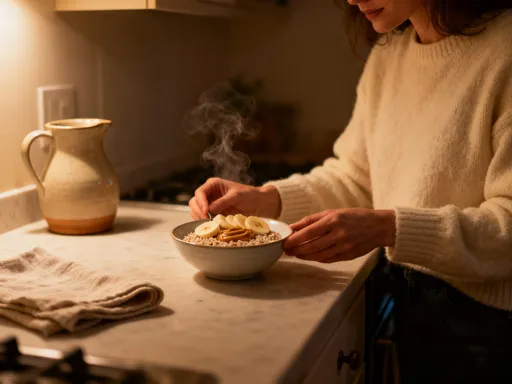
I used to think eating healthy meant strict diets, calorie counting, and giving up all my favorite foods. That mindset set me up for failure. The real shift came when I stopped focusing on restriction and started thinking about nourishment. Food isn’t just about energy—it’s information for your body. What you eat directly influences how your immune system functions. Instead of aiming for perfection, I focused on adding more nutrient-dense foods: colorful vegetables, whole grains, lean proteins, and healthy fats. These provide the vitamins and minerals—like vitamin C, vitamin D, zinc, and selenium—that your immune cells need to work effectively.
One of the most important discoveries was the link between gut health and immunity. Your gut is home to trillions of bacteria, collectively known as the microbiome. A diverse and balanced microbiome supports a strong immune response. Fiber-rich foods—like beans, lentils, oats, apples, and leafy greens—feed the good bacteria, helping them thrive. Fermented foods like yogurt, kefir, sauerkraut, and kimchi can also introduce beneficial microbes. I started by making small swaps: choosing whole grain bread over white, adding a side of roasted vegetables to dinner, or snacking on fruit instead of chips. These changes weren’t drastic, but they added up.
Cooking at home more often made a big difference. Restaurant meals and processed foods tend to be high in sugar, unhealthy fats, and sodium—all of which can suppress immune function when consumed in excess. By preparing meals at home, I had more control over ingredients and portion sizes. I also made hydration a priority. Water supports every bodily function, including the movement of nutrients and the removal of waste. I replaced sugary drinks with water, herbal tea, or infused water with lemon and cucumber. The goal wasn’t to be perfect—there are still days when I enjoy a treat or eat out—but to make nourishing choices most of the time. Eating well isn’t about deprivation. It’s about giving your body the tools it needs to stay strong.
Stress: The Invisible Threat to Your Health
Stress is one of the most underestimated factors in immune health. We all experience it—deadlines, family responsibilities, unexpected challenges. Short-term stress isn’t harmful; in fact, it can sharpen focus and help you respond to danger. But chronic stress—when your body is constantly in “fight or flight” mode—can suppress immune function over time. When stress hormones like cortisol remain elevated, they reduce the production of lymphocytes, the white blood cells that help fight off infection. That’s why you might notice you get sick after a particularly stressful week. Your body was too busy managing stress to defend itself.
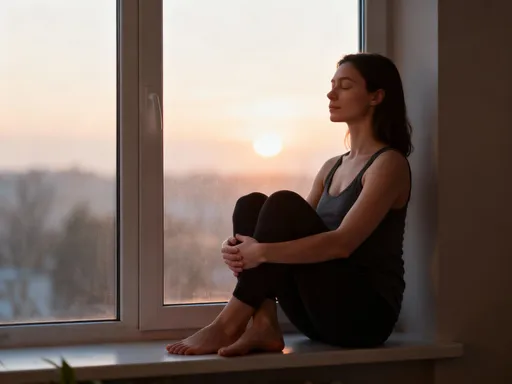
I used to think I had to “power through” stress, but I’ve learned that managing it is just as important as eating well or exercising. Simple practices can make a big difference. Deep breathing, for example, activates the parasympathetic nervous system, signaling your body to relax. Just a few minutes of slow, intentional breaths can lower heart rate and reduce cortisol levels. Journaling helps too—writing down thoughts and worries can clear mental clutter and provide perspective. I also started setting boundaries with technology, especially in the evenings. Constant notifications and screen time can heighten stress, so I created a digital detox hour before bed.
Mental well-being isn’t separate from physical health—it’s part of it. When you take care of your mind, you’re also supporting your body. I began to see self-care not as indulgence, but as maintenance. Whether it’s a quiet cup of tea, a walk in nature, or a few minutes of stretching, these moments of calm help reset your nervous system. Over time, I became more aware of my stress triggers and learned to respond with intention, not reaction. You don’t have to eliminate stress completely—life will always have challenges. But you can build resilience by creating space for rest, reflection, and recovery. That balance is what keeps your immune system strong.
Hydration, Hygiene, and Habits That Stick
Sometimes the simplest habits are the most powerful. Staying hydrated is one of them. Water is essential for every cell, tissue, and organ in your body. It helps transport nutrients, regulate temperature, and flush out toxins. Even mild dehydration can impair concentration, energy, and immune function. I started carrying a reusable water bottle and set reminders to drink throughout the day. Herbal teas and water-rich foods like cucumbers, oranges, and soups also contribute to hydration. The goal isn’t to chug gallons, but to sip consistently.
Good hygiene is another foundational habit. Washing your hands with soap and water for at least 20 seconds—especially after being in public, using the restroom, or before eating—remains one of the most effective ways to prevent illness. Avoiding touching your face, particularly your eyes, nose, and mouth, reduces the chance of transferring germs. These actions seem small, but they’re highly effective. During cold and flu season, I also make it a point to clean frequently touched surfaces at home, like doorknobs and light switches.
The real challenge isn’t knowing what to do—it’s making it stick. That’s why I focus on one habit at a time. Trying to overhaul everything at once leads to burnout. Instead, I pick one change—like drinking more water or going to bed 15 minutes earlier—and practice it until it feels natural. Once it becomes routine, I add another. This gradual approach builds lasting results. I also give myself grace. If I miss a day or eat something unhealthy, I don’t spiral into guilt. Progress isn’t linear. What matters is consistency over time. These small habits compound, creating a strong foundation of health that protects you without you even noticing—until everyone else is sick, and you’re not.
Putting It All Together: A Sustainable Health Mindset
Looking back, the reason I rarely get sick anymore isn’t because I follow a perfect routine. It’s because I’ve built a lifestyle that supports my body’s natural defenses. I’ve learned that consistency beats intensity. It’s not about doing everything perfectly all the time, but about showing up day after day with small, intentional choices. Sleep, movement, nutrition, stress management, hydration, and hygiene—they don’t work in isolation. Together, they create a powerful synergy that strengthens immunity in ways no single habit could.
Preventive health is a long game. It’s not about quick fixes or dramatic transformations. It’s about making choices today that protect your future self. You don’t have to be perfect. You just have to be consistent. And you don’t have to do it all at once. Start with one habit—better sleep, a daily walk, more vegetables, a few deep breaths—and build from there. Over time, these actions become second nature, and the results speak for themselves: more energy, fewer illnesses, and a greater sense of well-being.
Your health is worth the effort. It’s what allows you to show up for your family, your work, and your life. You don’t need a crisis to start. You just need to care enough to begin. And remember, these are general wellness tips based on established health principles. They are not a substitute for professional medical advice. Always consult with a qualified healthcare provider for personal health concerns. But if you’re ready to feel stronger, more resilient, and more in control of your health—start today. Progress, not perfection, is the goal. And every small step counts.