How I Turned My Hobby Into a Fitness Game That Actually Works
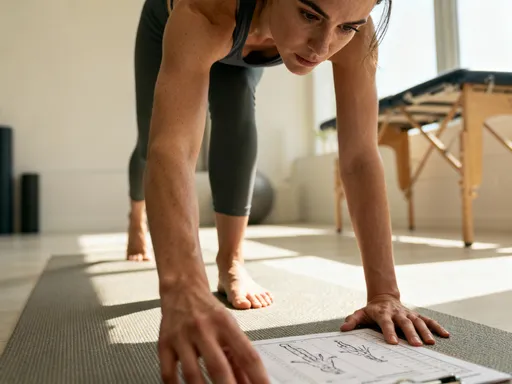
What if getting fit didn’t feel like a chore? A year ago, I was stuck in the same workout rut—treadmills, weights, boredom. Then I tried pairing exercise with my favorite hobby, and everything changed. No gym shaming, no extreme diets—just movement that felt natural. This isn’t a fitness revolution; it’s a lifestyle remix. And honestly? The results surprised me. Let me show you how small, joyful changes can create real, lasting energy shifts.
The Burnout Trap: When Fitness Feels Like a Job
For many women in their 30s, 40s, and beyond, exercise often begins with good intentions—joining a gym, signing up for classes, or following a trendy routine. Yet, despite initial enthusiasm, most fall out of the habit within weeks. The problem isn’t a lack of effort or willpower. The real issue lies in how we’ve been taught to view fitness: as a duty, a punishment for indulgence, or a race toward a certain body type. When movement is framed as something you have to do rather than something you want to do, it becomes emotionally draining before it even starts.
This mental burden is a major reason why so many abandon their routines. The pressure to stick to a strict schedule, hit performance goals, or maintain a certain pace can lead to what psychologists call “behavioral fatigue.” Over time, the anticipation of discomfort outweighs the promise of long-term benefits. The treadmill becomes a place of dread, and the weight room a site of comparison. The body may move, but the spirit resists. This disconnection between action and enjoyment makes consistency nearly impossible.
Moreover, traditional fitness culture often overlooks the realities of daily life. Women in this age group frequently juggle multiple roles—managing households, caring for children or aging parents, and maintaining careers. Adding another rigid, time-consuming task to an already full schedule only increases stress. The irony is that while exercise is meant to improve well-being, the way it’s often structured can do the opposite. The solution isn’t to try harder, but to rethink the entire approach. What if, instead of forcing ourselves into routines we dislike, we found ways to move that align with who we already are?
Hobby + Movement: The Hidden Fitness Hack
The human body was never designed for repetitive, isolated movements in climate-controlled rooms. It evolved to move in varied, purposeful ways—walking through forests, lifting objects, bending, twisting, and reaching. When physical activity is tied to meaningful or enjoyable tasks, the body responds more naturally. This is where hobbies come in. Whether it’s tending to a garden, dancing while cooking, walking the dog, or painting a wall, many everyday activities already contain elements of fitness: cardiovascular effort, muscle engagement, balance, and flexibility.
Scientists refer to this as “incidental exercise”—physical activity that happens as a byproduct of daily life rather than as a planned workout. Research has shown that people who engage in regular incidental movement tend to have better cardiovascular health, stronger muscles, and improved joint mobility over time. The key difference is that they don’t perceive it as exercise. Because the activity is enjoyable, the brain releases dopamine, a neurotransmitter linked to pleasure and motivation. This positive feedback loop makes people more likely to repeat the behavior, creating a sustainable pattern without the need for willpower.
Consider gardening: digging, planting, weeding, and watering involve squatting, lifting, stretching, and prolonged standing—all of which engage multiple muscle groups and elevate the heart rate. A 30-minute session can burn as many calories as a moderate gym workout, but without the mental resistance. Similarly, dancing to music while folding laundry or cleaning the house turns routine chores into bursts of cardio. The movement feels light, even playful, because it’s connected to something emotionally rewarding. This subtle shift—from obligation to enjoyment—is what makes hobby-based fitness so powerful.
Why Fun Moves Better Than Forced Workouts
When exercise feels like play, the body and mind respond differently. Studies have consistently shown that enjoyable physical activity leads to lower levels of cortisol, the stress hormone. In contrast, high-pressure workouts—especially those performed out of guilt or obligation—can elevate cortisol, which, over time, contributes to fatigue, weight retention, and sleep disturbances. The emotional tone of movement matters just as much as the physical effort.
Women who integrate fitness into hobbies often report higher levels of adherence. They don’t need to rely on strict schedules or external accountability because the activity itself is its own reward. A woman who loves birdwatching is more likely to take long walks in nature than someone who forces herself onto a treadmill. The birdwatcher doesn’t count minutes or track calories—she’s focused on the experience. Yet, she’s walking for miles, navigating uneven terrain, and staying present in her body. This kind of engagement leads to longer, more consistent activity without the risk of burnout.
Additionally, enjoyable movement tends to spill over into other areas of life. Someone who starts dancing to music at home may find herself moving more throughout the day—taking the stairs, pacing during phone calls, or standing while reading. These small changes add up. According to public health data, adults who engage in regular, self-directed physical activity—regardless of intensity—tend to have higher daily step counts and better overall health markers than those who rely solely on structured workouts. The takeaway is clear: when movement is fun, it becomes habitual, not heroic.
Finding Your Movement Match: Align Exercise With Your Interests
The first step in building a sustainable fitness habit is self-reflection. Instead of asking, “What workout should I do?” try asking, “What do I already love to do?” The goal is to identify hobbies and interests that naturally involve physical activity or can be adapted to include more movement. This isn’t about turning every hobby into a calorie-burning session, but about recognizing where motion already exists and enhancing it gently.
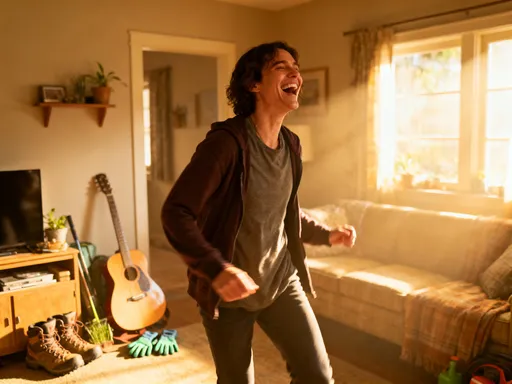
For example, if you enjoy music, consider creating themed playlists and dancing through your living room. You don’t need choreography or special equipment—just space and the willingness to move. If you love nature, replace some indoor errands with outdoor ones. Walk to a nearby park to read, take a scenic route when running household tasks, or plan weekend outings that involve hiking or kayaking. These activities provide both physical and mental benefits, including reduced anxiety and improved focus.
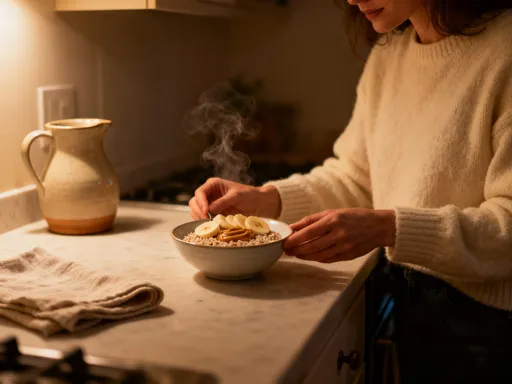
Even quieter hobbies can be infused with movement. Knitting or sewing can be paired with seated stretches or short walks between projects. Cooking can become more active by adding steps like chopping by hand, standing for longer periods, or dancing while waiting for water to boil. Social hobbies—like meeting friends for coffee—can shift from sitting in a café to walking in a garden or strolling through a market. The key is to match the activity to your personality and preferences. A woman who thrives on creativity will respond better to expressive movement like dance or painting, while someone who values routine may prefer walking or gardening.
By aligning fitness with existing interests, the barrier to entry disappears. There’s no need to change who you are—just to move more within the life you already live. This personalized approach fosters a sense of ownership and joy, making long-term consistency not just possible, but natural.
Designing Your Lifestyle Workout Routine
Turning hobbies into fitness doesn’t require a complete lifestyle overhaul. It starts with small, intentional changes that fit seamlessly into your day. One effective strategy is time-blocking—scheduling specific times for hobby-based movement just as you would for a doctor’s appointment or school pickup. For instance, setting aside 20 minutes every Saturday morning for gardening or 15 minutes each evening for dancing to a favorite song creates structure without rigidity.
Environmental cues also play a powerful role. Keep your walking shoes by the front door, store your yoga mat in the living room, or place your gardening gloves on the kitchen counter. These visual reminders reduce the effort required to begin, making it easier to act on impulse. When the tools are visible and accessible, the likelihood of movement increases significantly.
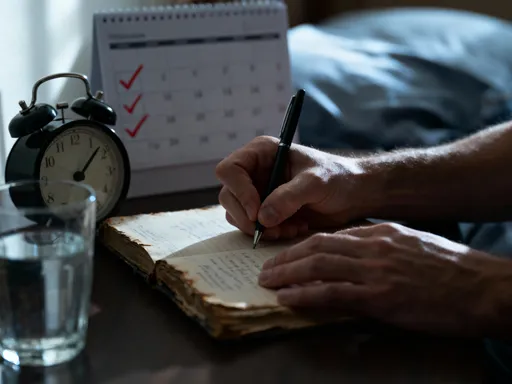
Another key shift is in how you measure progress. Instead of tracking calories burned or pounds lost, focus on how you feel. Are you sleeping better? Do you have more energy in the afternoon? Are you less stiff when you wake up? These qualitative markers are often more meaningful than numbers on a scale. A journal can help you notice patterns—writing down how a dance session lifted your mood or how a walk cleared your mind reinforces the emotional benefits of movement.
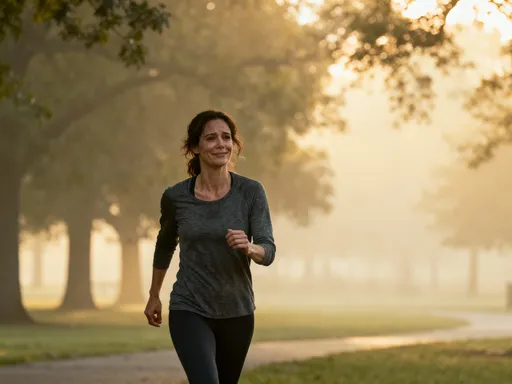
Most importantly, redefine what “active time” means. Instead of reserving fitness for a single, intense session, think of it as something that can be woven throughout the day. Turn phone calls into walking meetings, stretch while watching TV, or do gentle squats while brushing your teeth. These micro-movements accumulate, contributing to better circulation, stronger muscles, and improved joint health. The goal isn’t to maximize effort, but to minimize stillness. Over time, this approach transforms fitness from a separate task into a natural rhythm of daily life.
Overcoming Obstacles: When Life Gets in the Way
Even with the best intentions, life can disrupt routines. Busy schedules, bad weather, fatigue, or family demands can make it difficult to stay consistent. The key is not to aim for perfection, but to build flexibility into your approach. When outdoor plans are canceled due to rain, have a backup hobby ready—like an indoor dance video, a stretching routine, or a DIY project that requires standing and moving.
Time is often cited as the biggest barrier, but research shows that even short bursts of activity—10 to 15 minutes—can provide health benefits when done regularly. Instead of waiting for a free hour, look for pockets of time: move during commercial breaks, take a walk after dinner, or do a few laps around the house between chores. These micro-sessions add up and help maintain momentum.
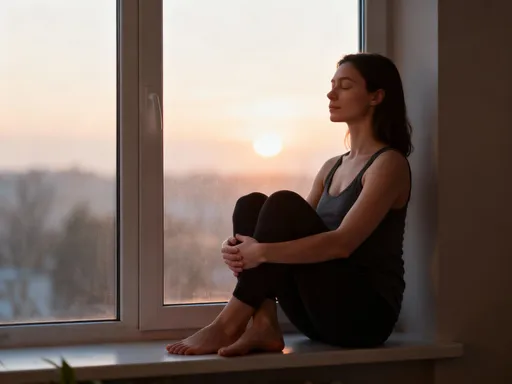
Low energy is another common challenge, especially for women managing hormonal changes, sleep disruptions, or chronic stress. In these moments, gentle movement is often more effective than rest. A short walk, light stretching, or swaying to music can actually boost energy by increasing blood flow and oxygen to the brain. The goal isn’t to push through exhaustion, but to listen to your body and choose movement that feels supportive, not draining.
Social support can also make a difference. Joining a hobby group—whether it’s a walking club, dance class, or community garden—creates accountability in a low-pressure way. Sharing the experience with others increases motivation and makes the activity more enjoyable. Even virtual groups can provide connection and encouragement. The message is simple: when life gets hard, adapt, don’t quit. Small, consistent actions—even on tough days—keep the habit alive.
Long-Term Gains: How Joyful Movement Changes Your Life
The benefits of hobby-based fitness extend far beyond physical appearance. Women who adopt this approach often notice improvements in sleep quality, mental clarity, and emotional resilience. Movement that feels good reduces anxiety and promotes relaxation by regulating the nervous system. Over time, the body becomes more efficient at managing stress, leading to fewer mood swings and a greater sense of calm.
Daily stamina improves, not because of intense training, but because movement becomes a regular part of life. Climbing stairs, carrying groceries, or playing with grandchildren becomes easier, not because you’re “working out,” but because your body is used to moving. This functional fitness—strength and endurance that serve real-life tasks—is often more valuable than gym-based performance metrics.
Perhaps the most profound shift is in mindset. When fitness is no longer tied to punishment or appearance, it becomes a form of self-care. It’s not about fixing a flaw, but about honoring your body’s need for motion. This change in perspective fosters self-compassion and long-term commitment. The best workout isn’t the one that makes you sweat the most—it’s the one you look forward to.
In the end, sustainable health isn’t built on rigid rules or extreme efforts. It’s built on small, repeatable choices that bring joy. The woman who dances in her kitchen, gardens on weekends, or walks with a friend isn’t just moving her body—she’s nurturing her well-being in a way that lasts. Fitness doesn’t have to be a battle. It can be a celebration. And when it feels that way, it becomes not just sustainable, but essential.