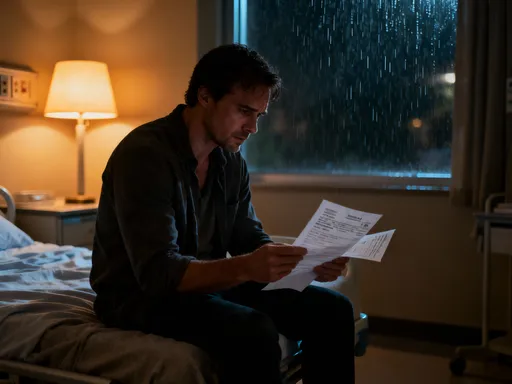
Healing on My Terms: What I Learned from Western Rehab
Recovery isn’t just about fixing an injury—it’s about reclaiming your life. After my own rehab journey, I discovered that Western medicine offers more than pills and procedures. It’s a system built on science, structure, and smart choices. This is what helped me regain strength, avoid setbacks, and take real control of my health. At first, I thought healing meant waiting for my body to catch up. But I soon realized it required active participation—asking questions, following evidence-based guidance, and making daily decisions that supported long-term wellness. My experience taught me that recovery is not passive. It’s a process shaped by knowledge, consistency, and partnership with medical professionals.
The Wake-Up Call: When My Body Said “No More”
It started with a dull ache in my lower back—one I ignored for months. Like many women in their 40s juggling work, family, and household responsibilities, I viewed discomfort as part of the routine. I adapted: sitting less, avoiding heavy lifting, using heat pads when the pain flared. But denial only delayed the inevitable. One morning, while helping my child with homework at the kitchen table, I stood up and couldn’t straighten my spine. The sharp, radiating pain down my leg signaled something serious. That moment was my body’s final warning: stop ignoring me.
I scheduled an appointment with my primary care physician, who listened carefully and referred me for an MRI. The scan revealed a herniated disc pressing on a nerve root—confirming what I had hoped wasn’t true. Seeing the image, I felt both relief and fear. Relief because there was a clear explanation; fear because it meant real intervention was needed. My doctor explained the diagnosis calmly, emphasizing that while painful, this condition was treatable with conservative methods before considering surgery. That conversation marked a turning point—not just medically, but emotionally. I shifted from resisting reality to accepting responsibility for my recovery.
Acceptance didn’t come overnight. There were days I questioned whether I had done irreversible damage or if I’d ever return to normal activities. But understanding the diagnosis gave me power. Instead of guessing or relying on anecdotal advice, I had facts. And with facts came the ability to act. I realized that professional assessment isn’t a formality—it’s the foundation of safe, effective healing. Without it, I might have worsened the injury through improper stretching or overuse. Getting an accurate diagnosis wasn’t just helpful; it was non-negotiable. It allowed me to move forward with confidence, knowing exactly what my body needed and why.
Understanding the Rehab Blueprint: How Western Medicine Maps Recovery
Once diagnosed, I entered a structured rehabilitation program guided by evidence-based protocols. Unlike vague wellness trends or generalized fitness routines, this plan was tailored to my specific condition, stage of injury, and personal health history. The process began with a referral to a licensed physical therapist, who conducted a comprehensive evaluation—assessing range of motion, muscle strength, posture, and functional limitations. From there, a step-by-step treatment roadmap was created, complete with measurable goals and timelines. This systematic approach mirrored how Western medicine treats many health conditions: diagnose first, then treat according to proven standards.
The rehab blueprint relied on three key pillars: medical oversight, objective diagnostics, and standardized interventions. My primary care doctor remained involved throughout, reviewing progress notes and adjusting recommendations when necessary. Diagnostic tools like MRI and X-ray provided objective data, eliminating guesswork. Meanwhile, my physical therapist applied clinically validated techniques—such as manual therapy, therapeutic exercises, and neuromuscular re-education—each chosen based on research showing effectiveness for disc-related injuries. This integration of expertise ensured continuity of care and minimized the risk of complications.
One of the most valuable aspects of this system was how it categorized my condition. My injury was classified as subacute, meaning it had passed the initial inflammatory phase but still required active management to prevent chronicity. This distinction mattered because treatment strategies differ significantly between acute, subacute, and chronic stages. In the acute phase, rest and anti-inflammatory measures dominate. In subacute and chronic phases, the focus shifts to restoring movement, building strength, and retraining movement patterns. Knowing where I stood in this timeline helped me understand why certain exercises were introduced gradually and why some activities remained off-limits temporarily.
Standardized protocols exist for good reason: they ensure consistency, safety, and accountability. They are developed through years of clinical research, refined by medical institutions, and updated as new evidence emerges. While individual variation is acknowledged, these frameworks provide a reliable starting point. For someone like me—overwhelmed at first by conflicting online advice—this structure was reassuring. It meant I wasn’t navigating recovery alone, nor was I subject to random experimentation. Every intervention had a purpose, every progression a rationale. This methodical approach reduced uncertainty and built trust in the process.
My 3 Game-Changing Habits (Backed by Science, Not Hype)
While professional care laid the foundation, daily habits determined the pace and quality of my recovery. I learned that healing doesn’t happen only during therapy sessions—it happens in the hours between them. Three specific lifestyle changes made the biggest difference, each supported by scientific evidence rather than trendy wellness claims. These weren’t drastic overhauls, but consistent practices that amplified the effects of clinical treatment and helped me regain control over my well-being.
The first habit was embracing active recovery instead of passive rest. Initially, I believed the best thing for my back was to stay still. But my physical therapist explained that prolonged inactivity weakens muscles, reduces circulation, and can actually prolong healing. Instead, I was encouraged to engage in low-impact movement—such as walking, gentle stretching, and prescribed strengthening exercises—within safe limits. This concept, known as “motion is lotion,” is well-supported in rehabilitation science. Movement stimulates blood flow to injured tissues, delivers nutrients, and prevents stiffness. Within weeks, I noticed improved flexibility and reduced muscle guarding. Active recovery didn’t mean pushing through pain; it meant moving with intention, respecting my body’s signals while keeping it engaged.
The second game-changing habit was prioritizing sleep quality. I already knew sleep was important, but I didn’t realize how directly it influenced tissue repair and pain perception. During deep sleep, the body releases growth hormone, repairs damaged cells, and modulates inflammation. Poor sleep, on the other hand, increases cortisol levels, heightens pain sensitivity, and impairs recovery. To improve my sleep, I established a consistent bedtime routine, limited screen time before bed, and optimized my sleeping environment—using a supportive pillow and adjusting room temperature. I also avoided late-night meals and caffeine. Over time, better sleep translated into less morning stiffness, improved mood, and greater endurance during therapy sessions. It became clear that restorative sleep wasn’t a luxury—it was a critical component of healing.
The third habit centered on nutrition for recovery. While no single food can “cure” a herniated disc, certain dietary choices either support or hinder the healing process. My focus shifted from calorie counting to nutrient density. I increased intake of anti-inflammatory foods—such as fatty fish rich in omega-3 fatty acids, leafy greens, berries, nuts, and seeds—while reducing processed sugars, refined carbohydrates, and trans fats, which can promote inflammation. I also ensured adequate protein intake, as amino acids are essential for tissue regeneration. Staying hydrated was equally important; water supports spinal disc hydration and joint lubrication. These changes didn’t produce overnight miracles, but over time, I experienced less swelling, faster muscle recovery, and more stable energy levels. Nutrition became another tool in my recovery toolkit—one I could control every day at the dinner table.
The Doctor-Patient Partnership: Speaking Up Without Second-Guessing
One of the most empowering lessons from my rehab journey was learning how to communicate effectively with my healthcare providers. I used to walk into appointments with a list of symptoms but no clear way to express them. I worried about sounding overly dramatic or, conversely, downplaying my pain to seem strong. Over time, I realized that honest, precise communication is essential for effective treatment. The doctor-patient relationship works best when it’s collaborative—not hierarchical, not adversarial, but built on mutual respect and shared goals.
I learned to prepare for visits by tracking my symptoms: when pain occurred, its intensity on a scale of 1 to 10, what activities triggered or relieved it, and how it affected daily tasks. This data made conversations more productive. Instead of saying, “My back hurts,” I could say, “I have a sharp pain in my lower back when standing for more than 20 minutes, rated 6/10, which improves with sitting or gentle stretching.” That specificity helped my doctor and therapist adjust my treatment plan accurately. I also became comfortable asking questions—not to challenge expertise, but to understand reasoning. For example, “Why are we doing this exercise now?” or “What should I expect in the next phase?” These questions deepened my engagement and reinforced trust.
Equally important was resisting the urge to self-diagnose. With so much health information online, it’s easy to fall into the trap of comparing symptoms to worst-case scenarios. I admit I did this early on, searching late at night and convincing myself I needed surgery. But my doctor reminded me that context matters—imaging findings must be interpreted alongside clinical presentation. Many people have disc bulges on MRI without symptoms. What mattered was how my body responded to treatment, not isolated images. Staying informed is valuable, but replacing professional judgment with internet research is risky. I chose to use online resources for general education, not diagnosis.
Honesty about progress—including setbacks—was crucial. There were days I skipped exercises or pushed too hard. When I admitted this, my therapist didn’t scold me; she adjusted the plan. This openness prevented minor missteps from becoming major relapses. Trust grew because I knew my care team wasn’t judging me—they were guiding me. Over time, I stopped seeing myself as a passive recipient of care and started viewing myself as an active participant. That shift in mindset was transformative. It gave me confidence, accountability, and a sense of ownership over my health.
Avoiding the Relapse Trap: What No One Tells You About Plateaus
Progress in rehab is rarely a straight line. After initial improvements, I hit a plateau—weeks where pain levels didn’t decrease, and mobility gains stalled. Frustration set in. I wondered if I was doing something wrong or if recovery had stalled permanently. My therapist explained that plateaus are normal, especially in musculoskeletal rehabilitation. The body adapts in phases: rapid improvement early on, followed by slower, incremental changes as neuromuscular pathways rewire and tissues strengthen. Understanding this helped me manage expectations and stay committed.
The real danger wasn’t the plateau itself, but how people respond to it. Some become discouraged and abandon their routine. Others overcompensate—pushing harder in hopes of breaking through, which can lead to overuse injuries. I learned to recognize warning signs of overexertion: increased pain lasting more than two hours after exercise, new muscle spasms, or disrupted sleep. When these appeared, I didn’t ignore them. Instead, I communicated with my therapist, who helped me adjust intensity, modify exercises, or incorporate more rest. This data-driven approach prevented setbacks and kept me moving forward, even if slowly.
Consistency proved far more effective than intensity. Daily adherence to prescribed exercises, even at lower levels, yielded better long-term results than sporadic high-effort sessions. My therapist compared healing to building a brick wall—one brick at a time, with mortar (rest) between layers. Rushing compromised stability. This analogy resonated deeply. It reminded me that healing isn’t about speed; it’s about sustainability. By focusing on small, repeatable actions, I maintained momentum without burning out.
Another key strategy was celebrating non-scale victories. Since pain reduction wasn’t always linear, I tracked functional improvements: how long I could stand while cooking, whether I could play with my children without discomfort, or if I slept through the night. These milestones, though subtle, reflected real progress. They kept me motivated during slow periods and reinforced the value of persistence. Plateaus weren’t failures—they were pauses that allowed my body to integrate changes. With patience and guidance, I learned to navigate them without losing faith in the process.
Tech That Actually Helps: From Wearables to Telehealth
Technology played a supportive role in my recovery, not as a replacement for professional care, but as a tool for continuity and accountability. One of the most useful devices was a fitness tracker that monitored daily step count, heart rate variability, and sleep duration. While not medical-grade, it provided helpful trends. For instance, I noticed that on days when I exceeded my recommended activity level, pain increased the next day. This feedback loop encouraged moderation and helped me stay within therapeutic boundaries.
Telehealth services were another game-changer, especially during a family trip when in-person sessions weren’t possible. Through secure video calls, my physical therapist reviewed my form during exercises, answered questions, and adjusted my routine based on my current symptoms. These virtual check-ins maintained accountability and prevented gaps in care. I appreciated the convenience, but more importantly, the continuity. It reminded me that recovery doesn’t pause for life’s obligations—it must be integrated into them.
I also used a simple mobile app to log daily exercises, pain levels, and medication. The app didn’t analyze data or give medical advice; it simply created a record I could share during appointments. This eliminated guesswork about progress and made consultations more efficient. I avoided apps that promised “AI-powered healing” or symptom diagnosis—those felt gimmicky and potentially misleading. Instead, I stuck to tools that enhanced communication and tracking without overpromising.
Staying connected between visits reduced feelings of isolation. Rehab can feel lonely, especially when others don’t see visible signs of injury. Having regular touchpoints—with real clinicians—kept me on track emotionally and physically. Technology, when used wisely, bridged gaps in access and reinforced the sense that I wasn’t alone in this journey. It supported the human connection at the core of healing, rather than replacing it.
Owning My Health: From Patient to Active Manager
Perhaps the most profound transformation wasn’t physical—it was mental. I began as a patient seeking relief, but I emerged as an active manager of my health. This shift didn’t happen because I became a medical expert, but because I learned to engage thoughtfully with the system. I started organizing my medical records—keeping copies of imaging reports, treatment plans, and progress notes in a dedicated folder. This simple act gave me clarity and prepared me for future consultations. No longer did I rely on memory or fragmented information.
I also adopted preventive strategies learned during rehab into daily life. I maintained core-strengthening exercises even after formal therapy ended. I practiced ergonomic awareness at work and home—adjusting chair height, taking movement breaks, lifting with proper form. I continued prioritizing sleep and nutrition, recognizing their role in long-term resilience. These habits didn’t feel like restrictions; they felt like acts of self-respect. I wasn’t just healing from an injury—I was building a healthier version of myself.
My definition of health expanded. It was no longer just the absence of pain, but the presence of function, energy, and balance. I became more attuned to my body’s signals, responding early to minor discomfort before it escalated. This proactive mindset reduced anxiety and increased confidence. I no longer feared reinjury—I felt equipped to prevent it.
Looking back, rehab was not just a response to crisis. It was an education. It taught me that Western medicine provides powerful tools—diagnostics, therapies, expertise—but their effectiveness depends on how I use them. Healing requires both professional guidance and personal responsibility. It demands patience, consistency, and courage to speak up and stay engaged. My journey wasn’t unique, but it was deeply personal. And in embracing that, I found not just recovery, but renewal.
Rehab taught me that Western medicine works best when you work with it, not just because of it. It’s not magic—it’s method. And when you combine professional care with personal responsibility, true health management begins. Always consult your doctor—this journey isn’t one you walk alone.